Klas, Cicero, Illinois – CLOSED

In the Chicago suburb of Cicero, which lies between Oak Park (of Frank Lloyd Wright fame) and Midway airport, is the oldest operating Czechoslovakian restaurant in the U. S. The town became a Czech neighborhood in the 1920s as many Czechs took jobs in the Western Electric plant, but after the plant closed in the 1980s many Czech families moved away and the city is mostly Hispanic now.
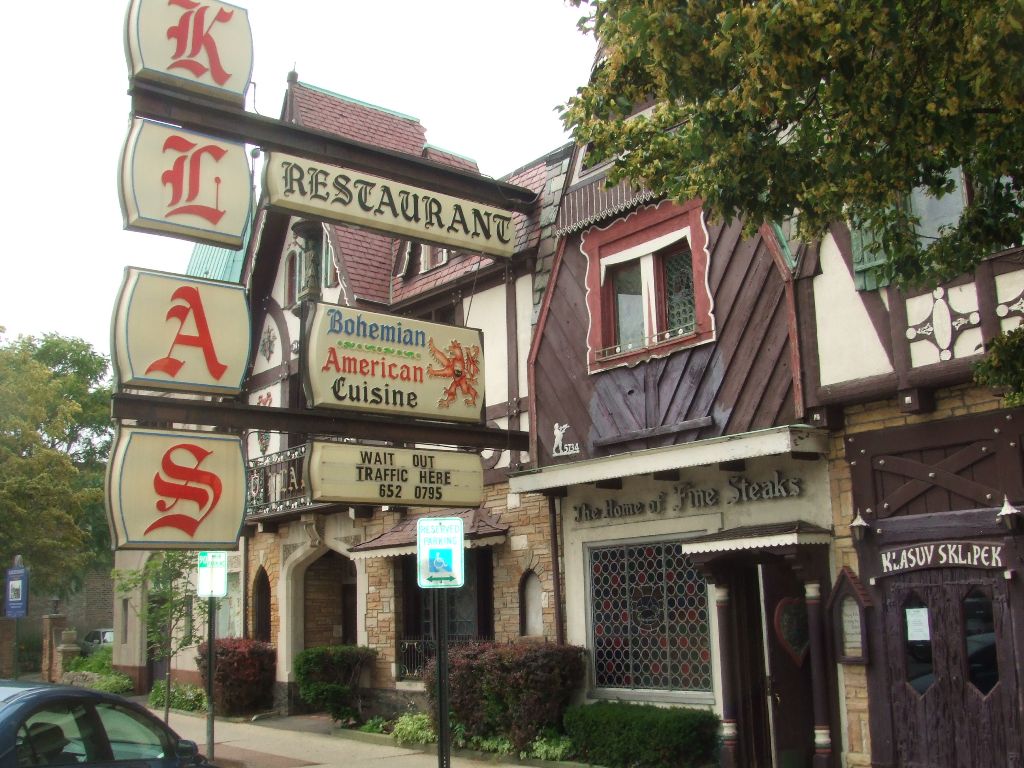
 

photo by The Jab, 2010

photo by The Jab, 2010


Klas was opened in 1922 by Adolph Klas, from Pilsen in Bohemia, on what is now Cermak Rd. (named after Anton Cermak, Chicago’s first Czech mayor). The street was once called the Bohemian Wall Street because of all the Czech business along the thoroughfare.
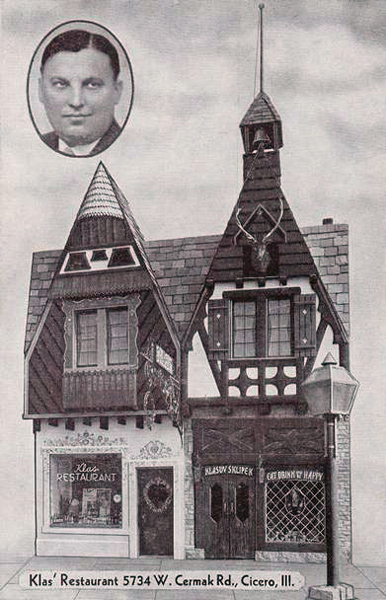
 

early postcard - photo by Robert Powers on Flickr

early postcard – image by Robert Powers on Flickr


In the early days the restaurant was much smaller (as seen in above postcard). The wonderful rustic bar on the right, apparently an original 14th century tap room, which was reconstructed at Klas, is filled with carved wood monks, painted murals, and taxidermy. It is miraculously unchanged since it opened.
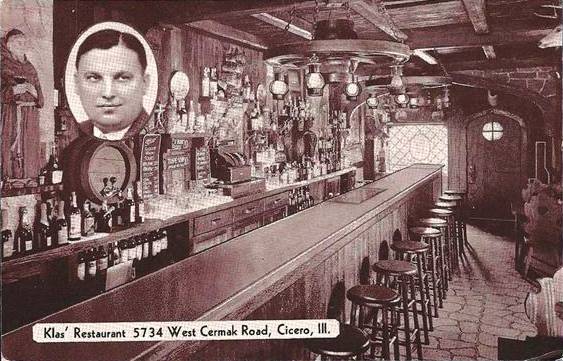
 

old bar postcard - image by John Chuckman

old bar postcard – image by John Chuckman
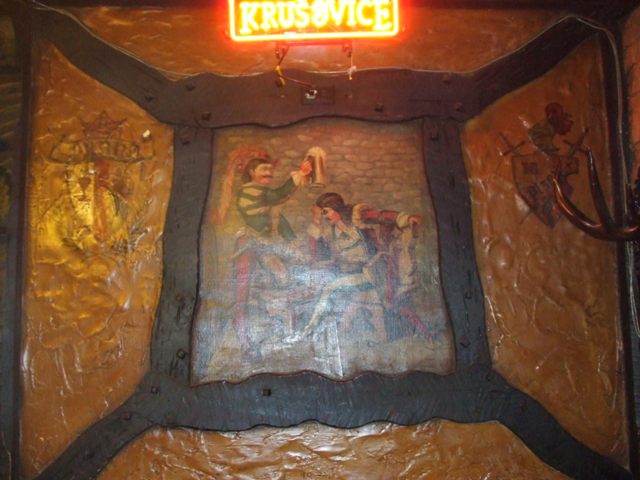
 

bar photo by The Jab, 2010

bar photo by The Jab, 2010


The other remaining part of the original restaurant is the room to the left of the bar, which served as the main dining room in the early days, which I believe is now the lobby (but I can’t recall exactly).
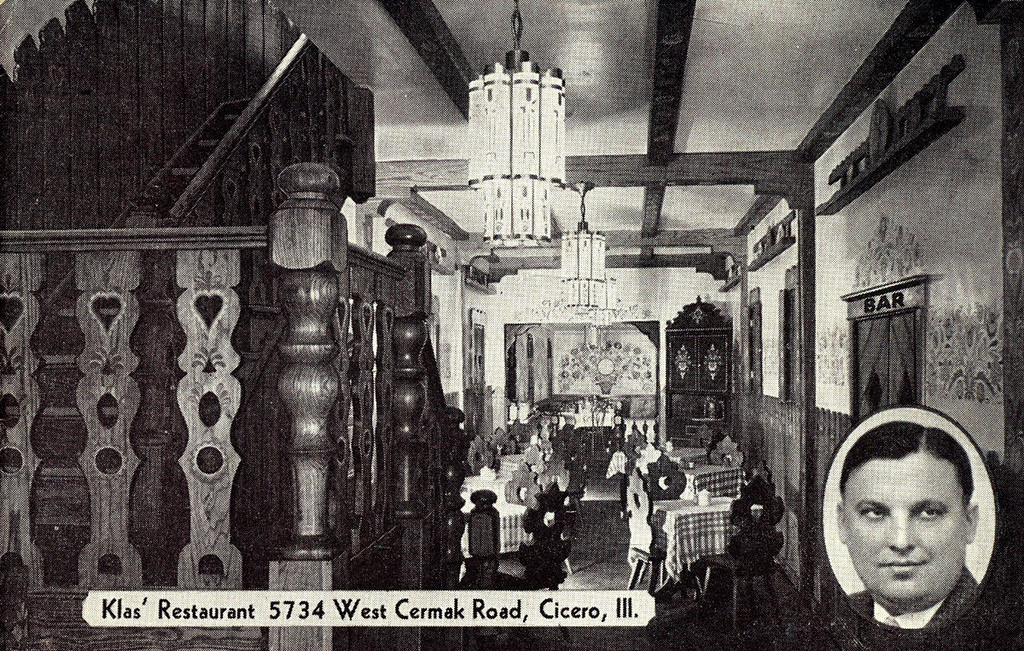
 

original dining room postcard

original dining room postcard – image by Robert Powers on Flickr


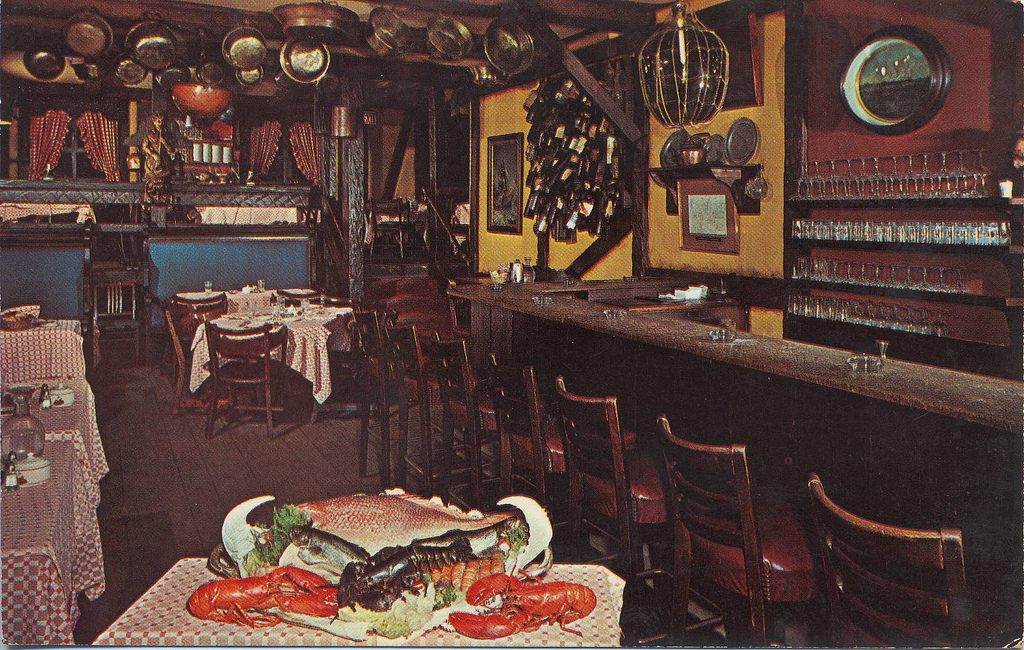
The restaurant expanded into its current configuration of the bar, main dining room, garden area, and banquet rooms, as seen in this linen postcard, most likely from the late 1930s or 1940s,…
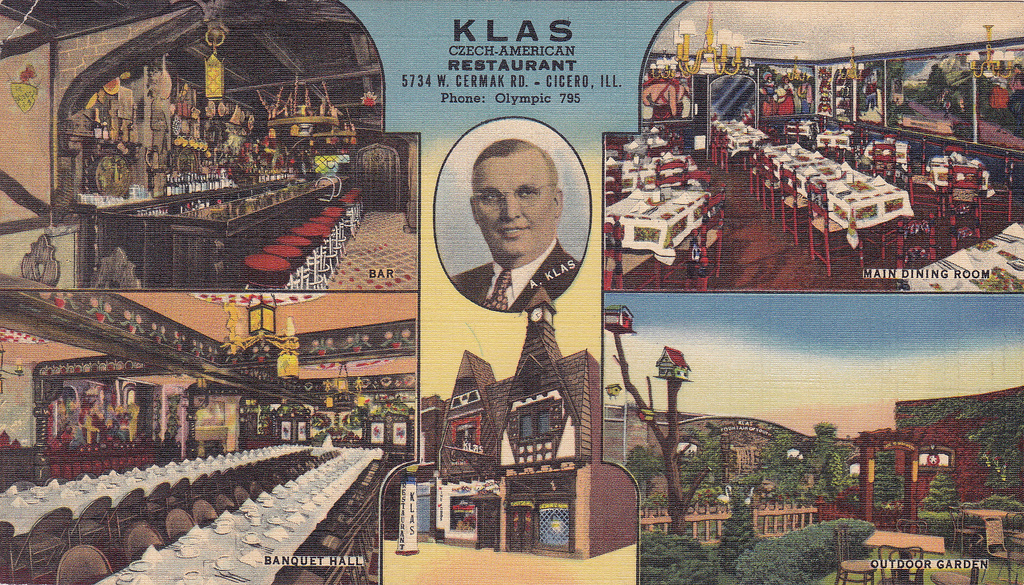
 

postcard image by Mark Susina on Flickr

postcard image by Mark Susina on Flickr


…and this postcard, from the 1950s, which shows how it looked on the outside. It hasn’t changed very much since then.
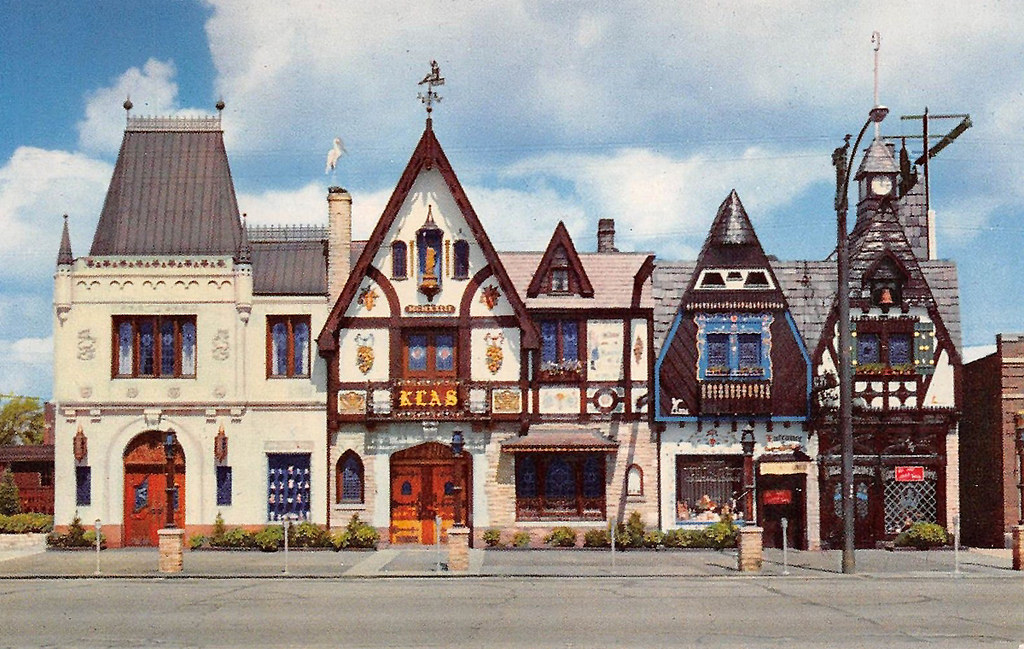
 

1950s postcard - image by Robert Powers on Flickr

1950s postcard – image by Robert Powers on Flickr


The buildings, inside and out, have loads of fascinating detail so make sure you allow plenty of time to linger before and after your meal. Notice the Statue of Liberty replica on the building’s façade in this photo (curiously the date on the building is 1923, while the restaurant claims to have opened in 1922).
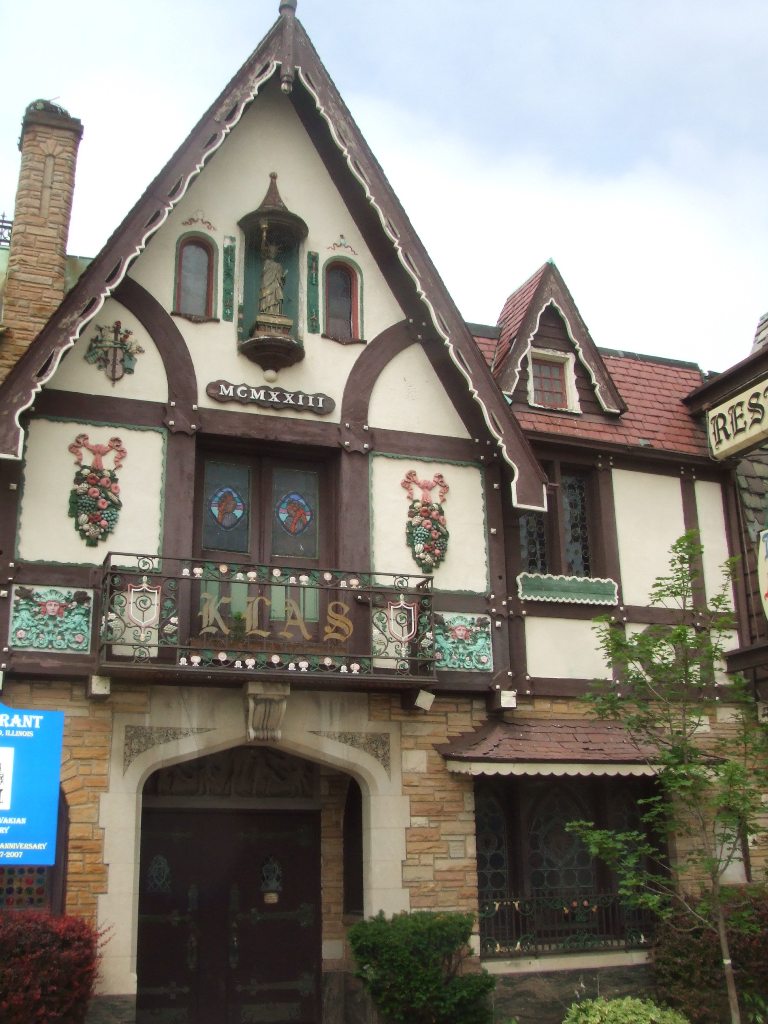
 

photo by The Jab, 2010

photo by The Jab, 2010


In 1962 Adolph Klas passed away. The restaurant was owned by various people until Frank Saballus, a former construction worker, bought it with his sister in 2003 to preserve this last bit of Czech-American culture in Cicero. Le Continental heartily thanks him for preserving such a wonderful restaurant!
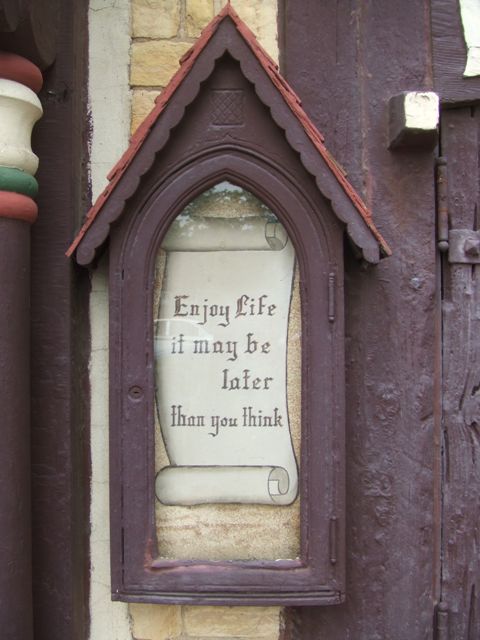
 

photo by The Jab, 2010

Good advice before you enter the restaurant! – photo by The Jab, 2010


On my visit in 2010 I dined in the main dining room, which is a huge, bright (in the daytime) room with lovely arched windows with bold striped canopies (Le Continental approves of stripes) overlooking the garden, and with framed art and taxidermy (also Le Continental approved) on the walls.
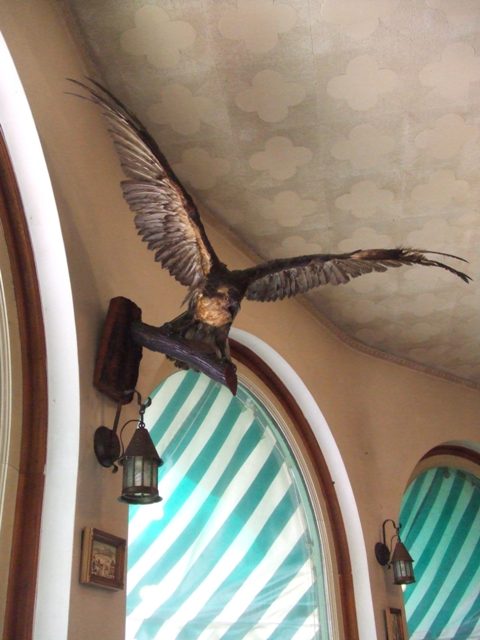
 

photo by The Jab, 2010

photo by The Jab, 2010


Klas’ menu is Bohemian. I did not know what that was when I went so I ordered a breaded pork tenderloin (schnitzel) dinner, which came with soup or salad, two “compliments” (I chose bread dumplings and sauerkraut), dessert, and coffee. As you can probably tell in the photo below (before I dumped gravy on everything) the food is homemade, including the bread. Other specialties include wiener schnitzel a la Holstein (topped with two fried eggs, anchovies, and capers), svichkova (pickled beef in sour cream gravy), koprova (boiled beef in dill gravy), roast duck, and smoked sausage. Dessert specialties include kolacky, fruit dumplings, and apple strudel. They offer some Czech beer including Pilsner Urquell, Radegast and Staropramen.
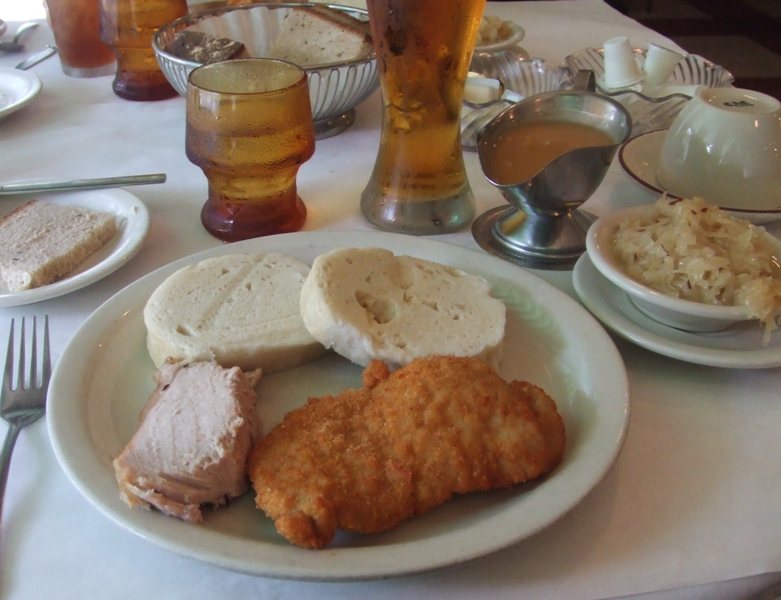
 

photo by The Jab, 2010

photo by The Jab, 2010


Make sure you tour the restaurant and ask to see the banquet rooms upstairs!
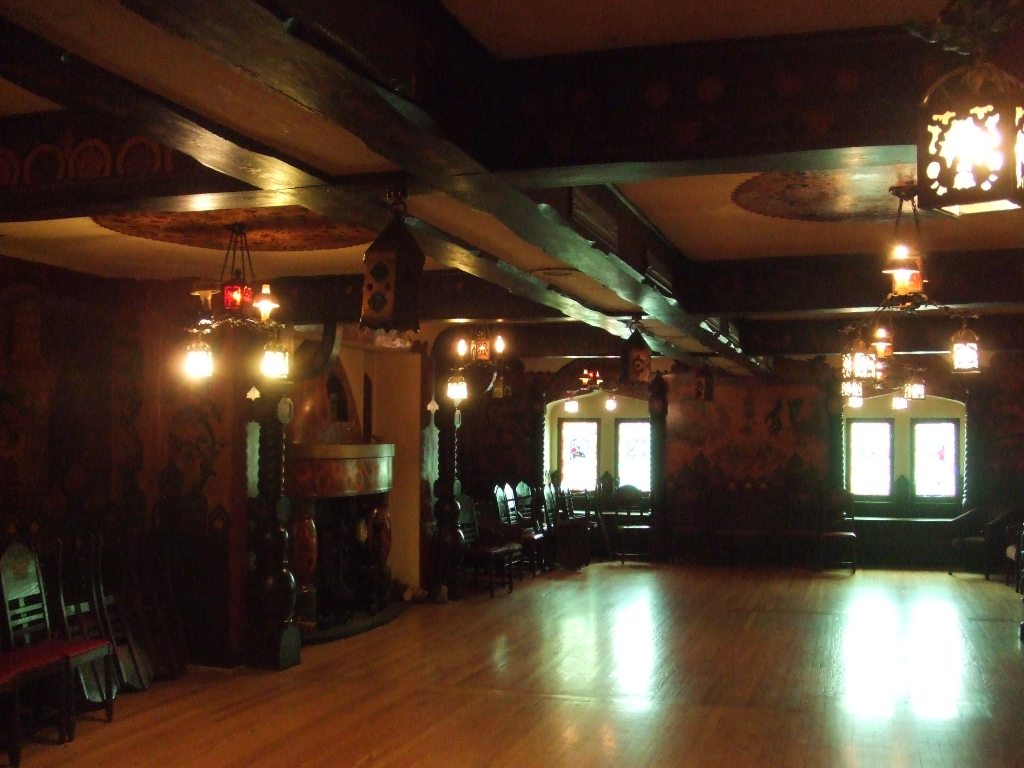
 

the Dr. Zhivago Room - photo by The Jab, 2010

the Dr. Zhivago Room – photo by The Jab, 2010
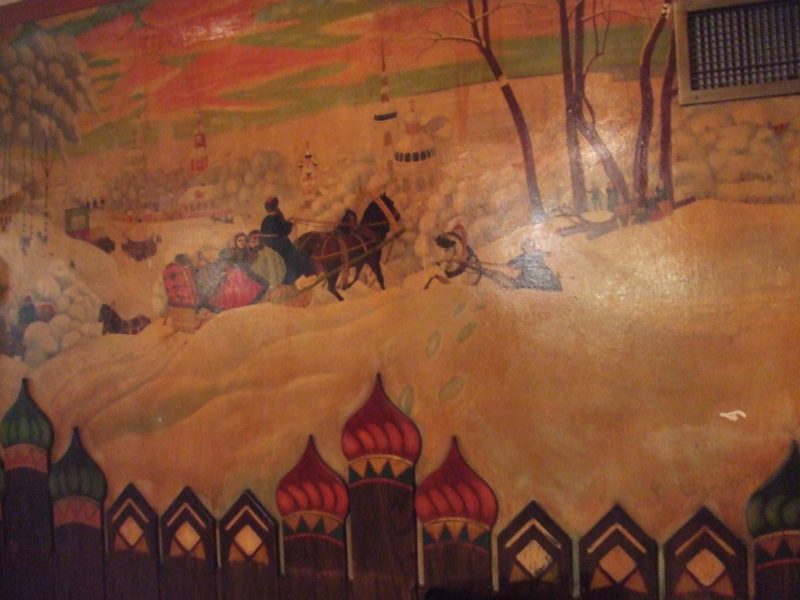
 

mural in the Dr. Zhivago Room - photo by The Jab, 2010

mural in the Dr. Zhivago Room – photo by The Jab, 2010
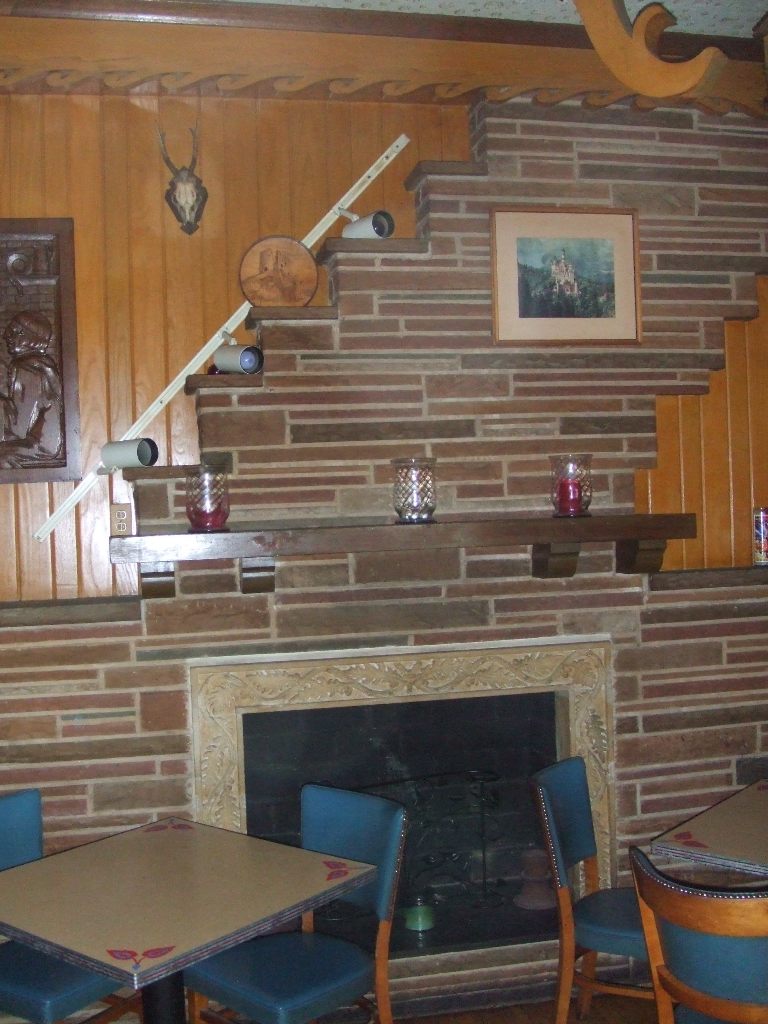
 

banquet room - photo by The Jab, 2010

banquet room with original furniture! – photo by The Jab, 2010
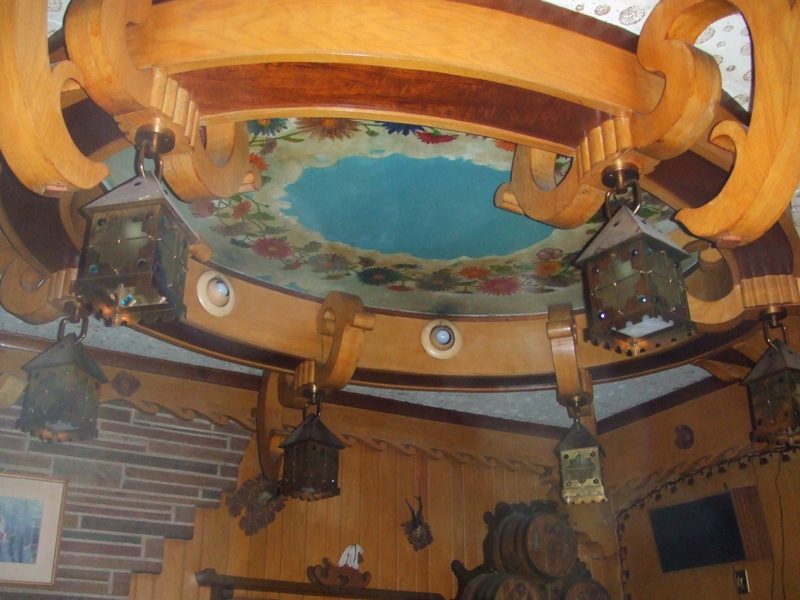
 

amazing chandelier! - photo by The Jab, 2010

amazing chandelier! – photo by The Jab, 2010


Klas is indeed the House of Happiness! Their motto (over the door) is “Eat, Drink, and Be Happy”!

WARNING: the areas surrounding Cicero may be somewhat sketchy so it is best to call and ask before venturing out for the best route to take.
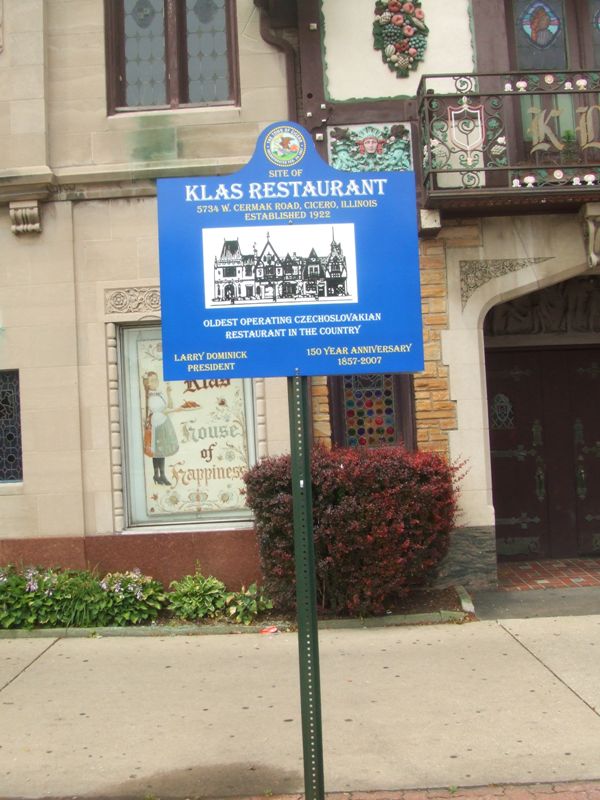
 

photo by The Jab, 2010

photo by The Jab, 2010


Klas Restaurant
5734 W Cermak Rd, Cicero, IL 60804
708-652-0795
Dining room open Fri-Sun 11:30am-9:00pm, bar hours Wed 6:00pm-midnight, Fri-Sat 11:30am-midnight or later, Sun 11:30am-10:00pm, closed Mon, Tue, Thu
 

Chalet Suzanne, Lake Wales, Florida – CLOSED

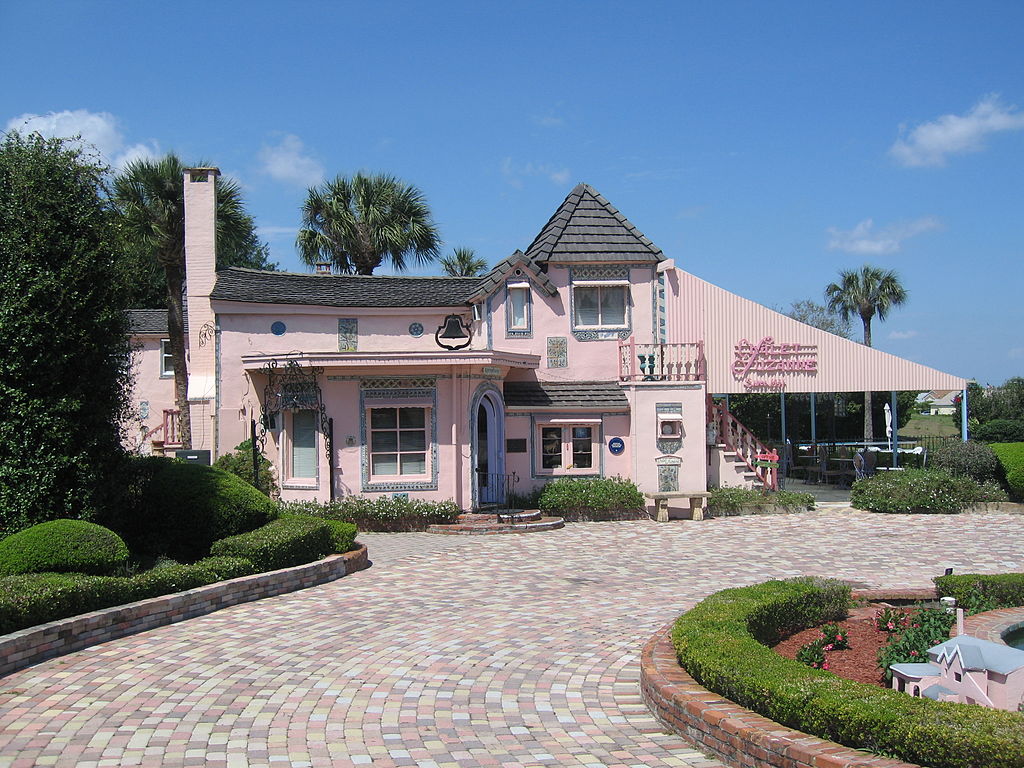
Today I heard some very sad news. One of the oldest and most original and charming restaurants in Florida, Chalet Suzanne, is closing after 83 years in business on August 4th, 2014. Le Continental is more about celebrating places that are still in operation than being a bearer of bad news, but I’m hoping some of my readers who may be in the Orlando or Tampa areas in the next month or so can visit one of the last old Florida landmarks before it closes.


photo by Leonard J. DeFrancisci (Wikimedia Commons)

photo by Leonard J. DeFrancisci (Wikimedia Commons)


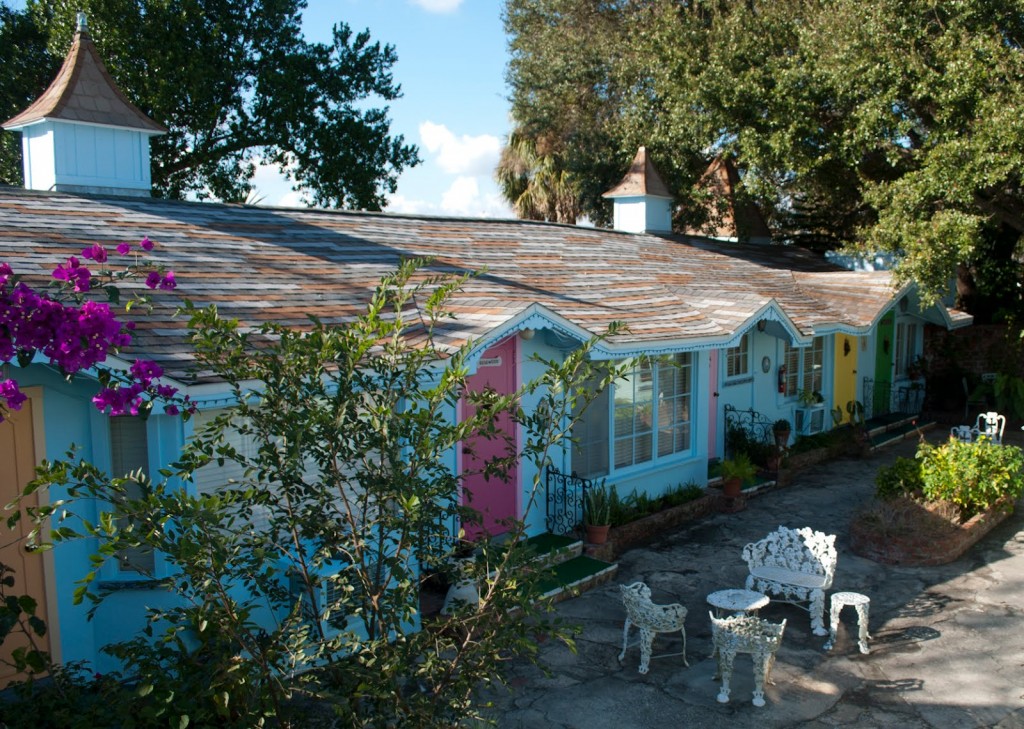
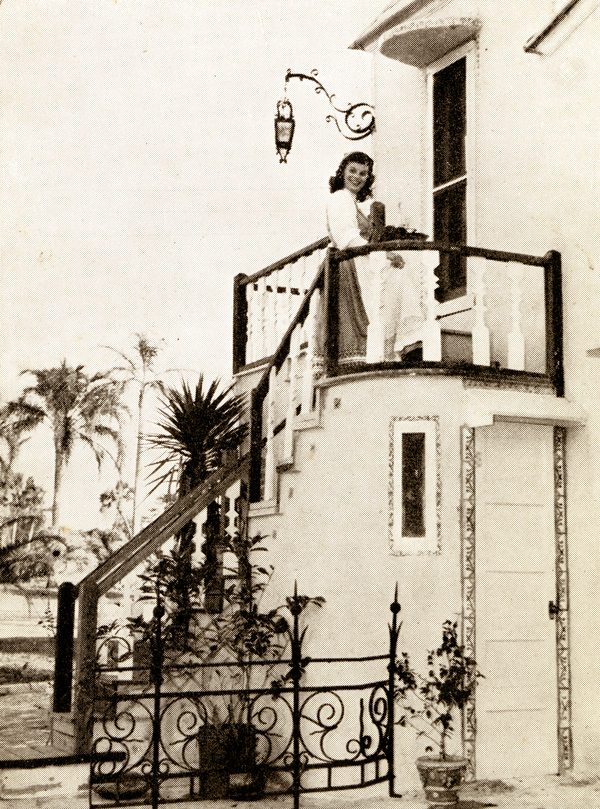
Chalet Suzanne, which now includes a restaurant, 30 room inn, soup cannery, public airstrip, gift shop, vineyard, and citrus groves on a 100-acre property, originally started out in a golf and tennis resort community called the Carleton Club, owned by cheese king James Kraft with Carl and Bertha Hinshaw. When Carl died in 1931, Bertha Hinshaw opened her home to guests as Suzanne’s Tavern (named after her daughter), which developed into an inn and restaurant serving Continental cuisine on her collection of fine china. Duncan Hines was an early fan and promoted the restaurant through his dining lists sent to friends and later in his popular dining guide Adventures in Good Eating.


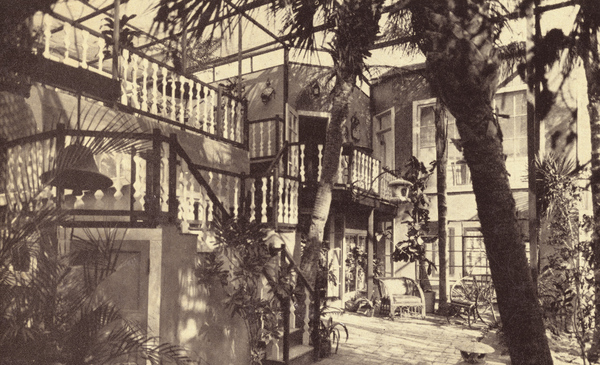
Postcard photo of Chalet Suzanne from between 1931 and 1940, when it was mailed - image by State Archives of Florida, Florida Memory, http://floridamemory.com/items/show/259144

Postcard photo of Chalet Suzanne from between 1931 and 1940, when it was mailed – image by State Archives of Florida, Florida Memory site


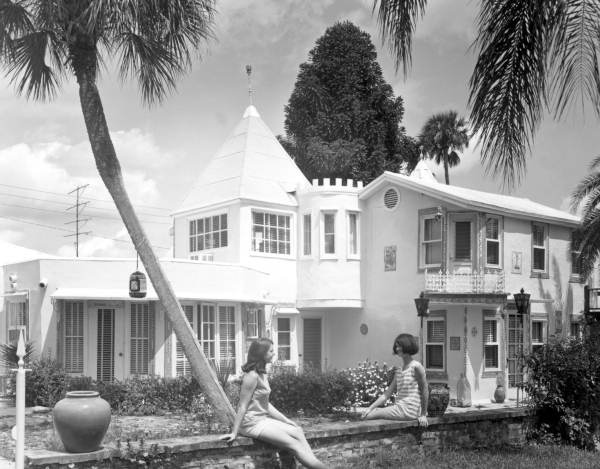
The original Chalet was destroyed by fire in 1943, but Bertha’s son Carl Hinshaw Jr., just back from duty in the Pacific in WWII, rebuilt the inn and restaurant using what he could salvage from the buildings that remained on the grounds. He created a charming, 14-level palace with gables and turrets that survives as the Chalet Suzanne, still owned by the Hinshaw family. In 1990 it was listed on the National Register of Historic Sites.


Chalet Suzanne, 1967 - photo by State Archives of Florida, Florida Memory site

Chalet Suzanne, 1967 – photo by State Archives of Florida, Florida Memory site


Carl Jr. and his wife, Vita, developed the restaurant’s menu into one of critical acclaim for its five course prix-fixe dinner, signature appetizer of broiled, glazed grapefruit topped with chicken liver, and Romaine® spinach and mushroom soup, which even went to the moon on Apollo 15 and 16! The prix-fixe dinner is still on the menu today, as well as an ala carte menu including such classic dishes as Lobster Newburg, a filet of beef with Béarnaise sauce, and chicken Suzanne in a velouté sauce.


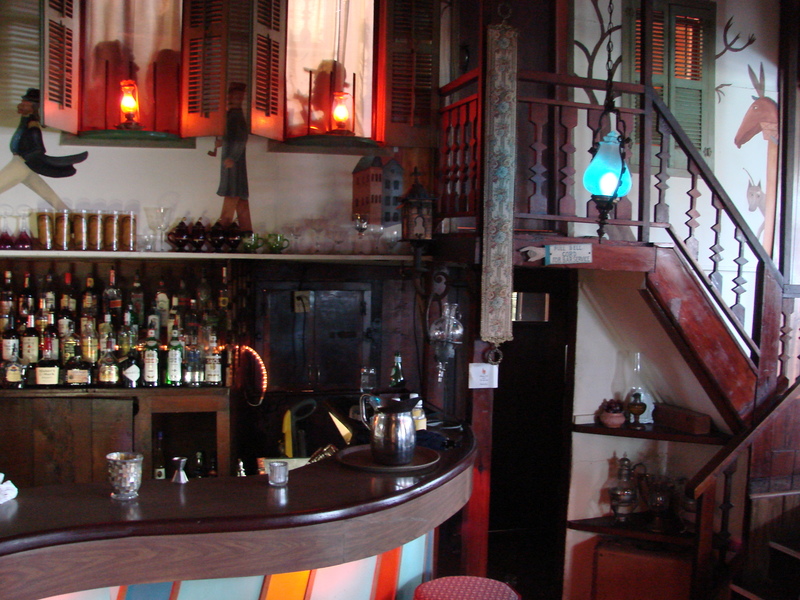
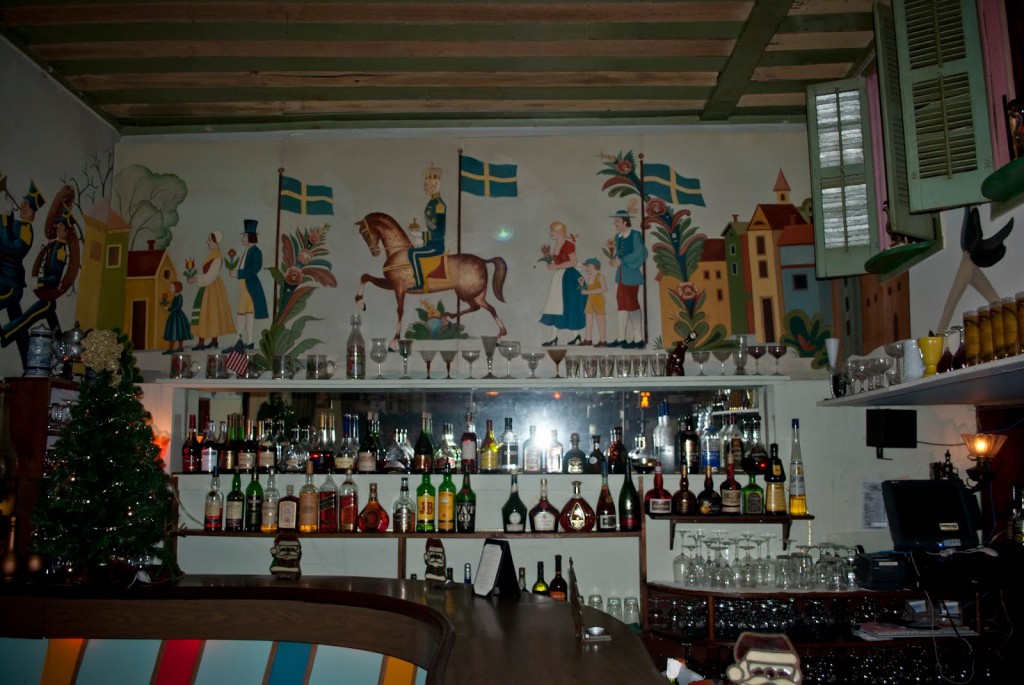
The little Swedish bar - photo by http://thedailysouth.southernliving.com

The little Swedish bar – photo by http://thedailysouth.southernliving.com


If you can make it there before it closes, don’t miss the little Swedish bar, with its festive colored stripes and cozy atmosphere, for an apéritif or after dinner drink.


photo by http://studiohourglass.blogspot.com

photo by http://studiohourglass.blogspot.com


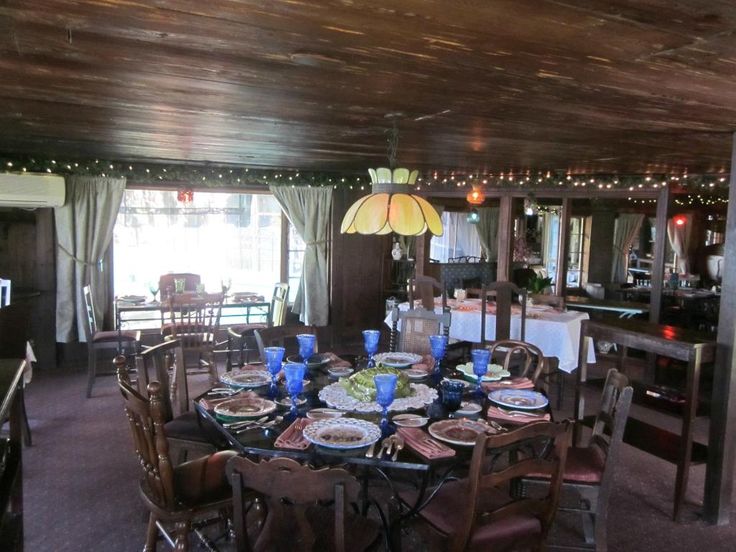
There are five dining rooms at Chalet Suzanne…


one of five dining rooms - photo by scottyjas on TripAdvisor.com

one of five dining rooms – photo by scottyjas on TripAdvisor.com


And a country inn.


photo by http://studiohourglass.blogspot.com

photo by http://studiohourglass.blogspot.com


"Orange Juice and Coffee Served in your Room before Breakfast" - historic photo by State Archives of Florida, Florida Memory site

“Orange Juice and Coffee Served in your Room before Breakfast” – historic photo by State Archives of Florida, Florida Memory site


Old places like this, which were (and are still) the primary appeal of the state for me, are disappearing all the time in Florida. It really bothers me that I was so close (Orlando in 2003 and Tampa in 2006) but didn’t visit Chalet Suzanne, simply because I wasn’t aware it existed (in those days I didn’t have my vintage AAA and Duncan Hines guides to search through so relied on travel books, magazines, web sites, and friends). I’m hoping that someone will buy and preserve this old Florida treasure. It is so close to the Disney empire where swarms of tourists eat in boring chain restaurants that are the same as the ones back home. Perhaps with the renewal of more old-fashioned tourism Chalet Suzanne could again be a destination in the central Florida area, along with the historic Bok Tower and Weeki Wachee Springs. I suggest skipping Disneybland, thus saving a ton of money, and instead visit these classic places on your next vacation to Florida.

A message from the Hinshaw family:

“If you would like to have the opportunity to have one last experience, or if you’ve always wanted to come but never quite made it, this is your chance, your last chance, to experience the Chalet Suzanne and it’s glorious history. You will be welcomed to stop by after that date, but you may end up having dinner with us at home. Oh, by the way, we usually eat a late supper.”


Chalet Suzanne
319 Star Ave, Lake Wales, FL 33859
800-433-6011, 863-676-6011
Open for breakfast, lunch and dinner Tue-Sun (check here for hours and call first since this is their last month in operation)


Grand Canyon Cafe, Flagstaff, Arizona – CLOSED

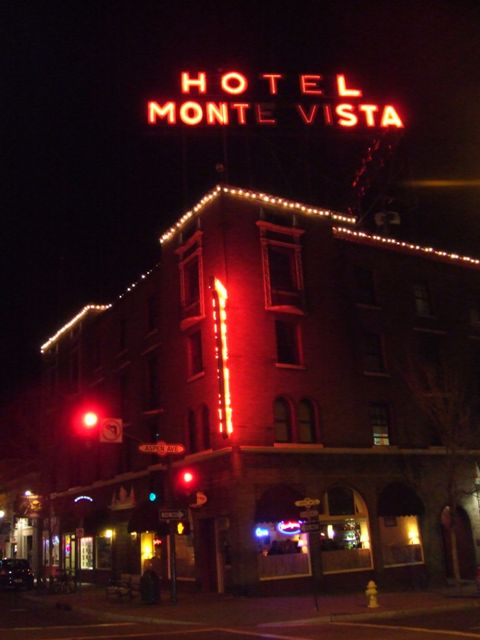
If you’re heading for the Grand Canyon or just passing through on Route 66, Flagstaff is worth an overnight stop. There are plenty of motels along the old highway passing through town, some with great neon, but for my money I’m staying at the historic Monte Vista Hotel one block north of Route 66 downtown.


photo by The Jab, 2008

photo by The Jab, 2008


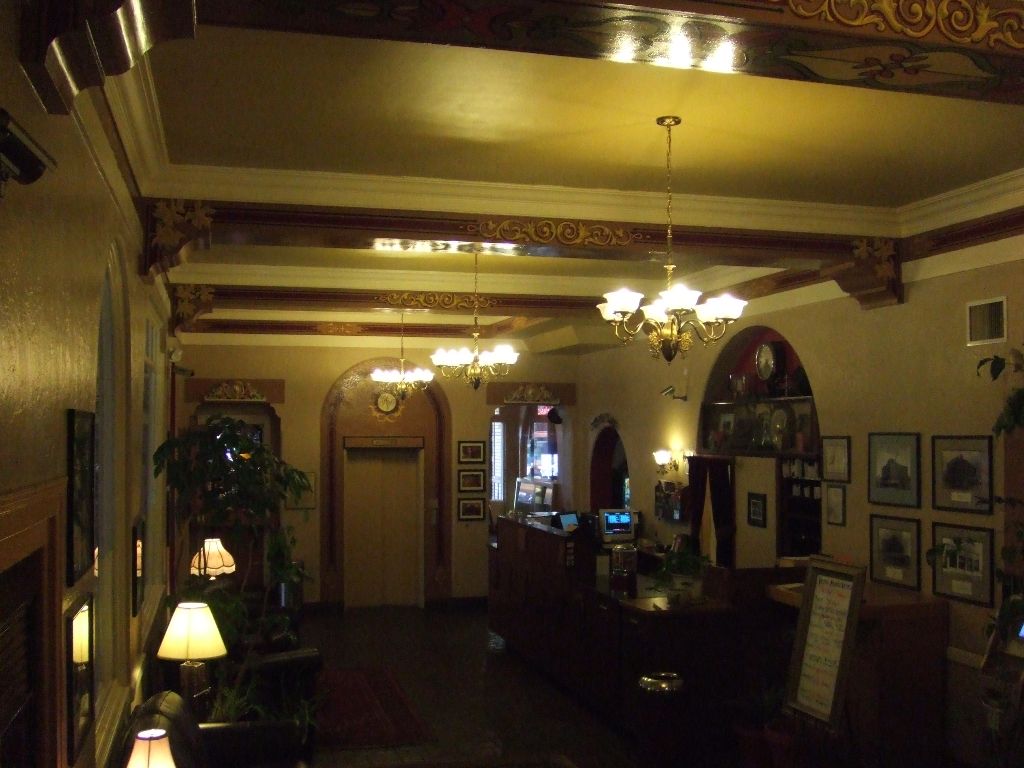
The hotel opened in 1927 by the City of Flagstaff and was community owned until the 1960s, when it became privately owned.


lobby - photo by The Jab, 2008

lobby – photo by The Jab, 2008


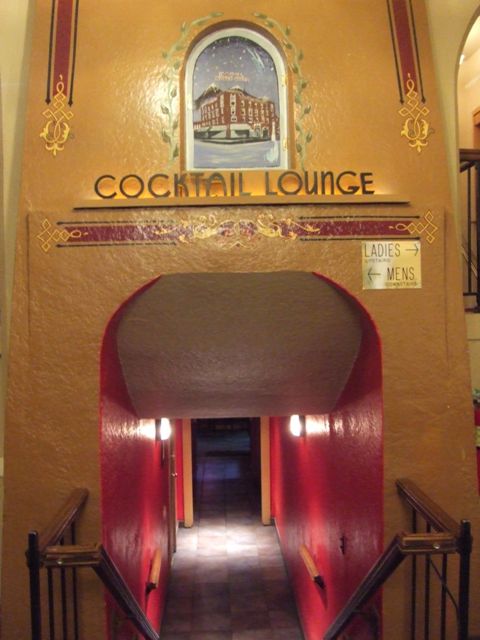
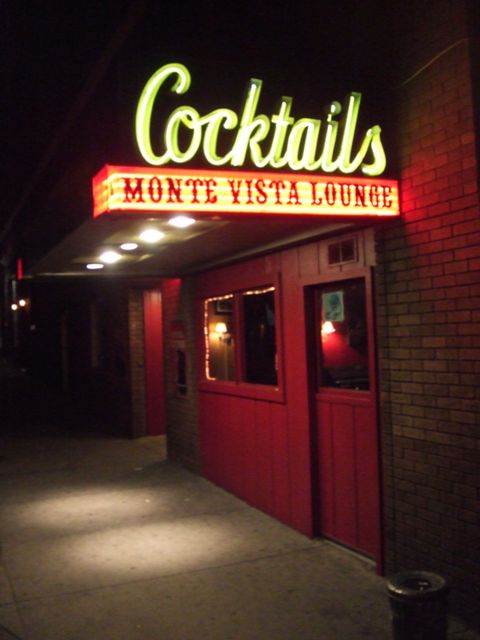
The Monte Vista Lounge opened with the hotel, reportedly as a speakeasy until Prohibition ended. Both entrances to the bar, from the hotel and from the street, are fabulous!


photo by The Jab, 2008

photo by The Jab, 2008

photo by The Jab, 2008

photo by The Jab, 2008


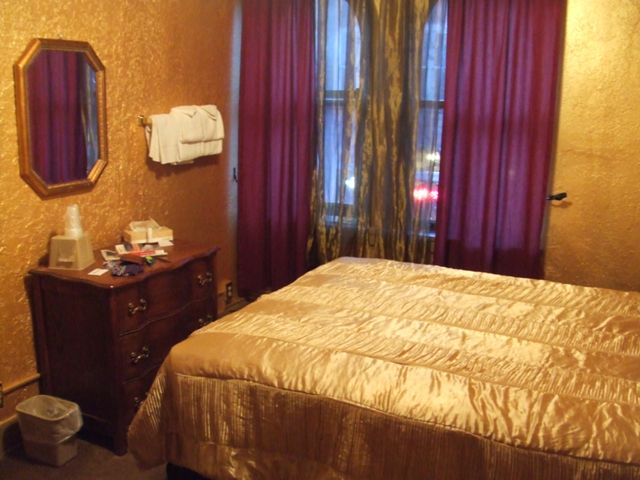
Being a historic hotel, some of the less expensive rooms have baths down the hall, but many rooms are larger with baths and they also have suites. I stayed in a small single with bath across the hall. The room was basic, but clean (as was the bathroom) and had a historic feel. Some rooms are named after famous guests from the past.


photo by The Jab, 2008

photo by The Jab, 2008


Besides the cocktail lounge, the hotel also has a cafe/bar called The Rendezvous, which serves as a coffee bar all day from 6:30 am (serving Intelligentsia coffee and tea) but also is a cocktail bar offering classic and craft cocktails until 2:00 am every night. Splendid! Two bars in one classic hotel; now you know why I like to stay here!


photo by The Jab, 2008

photo by The Jab, 2008


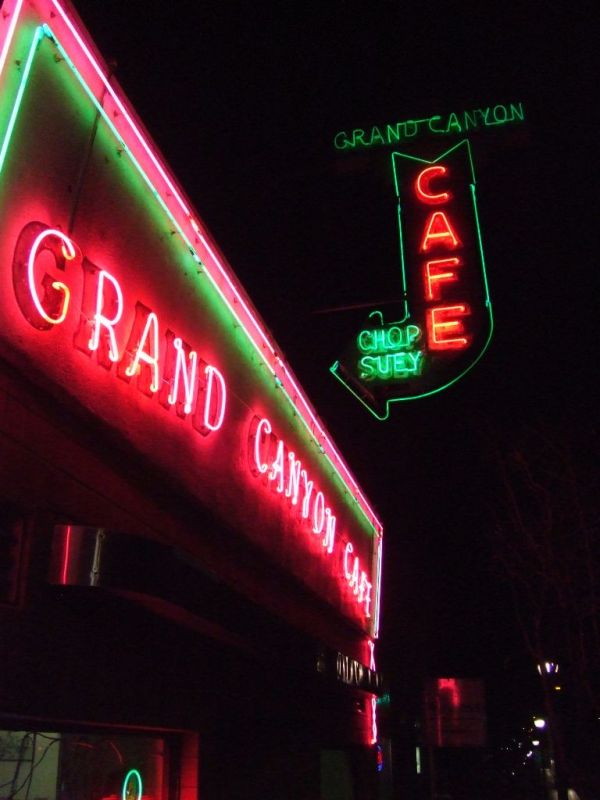
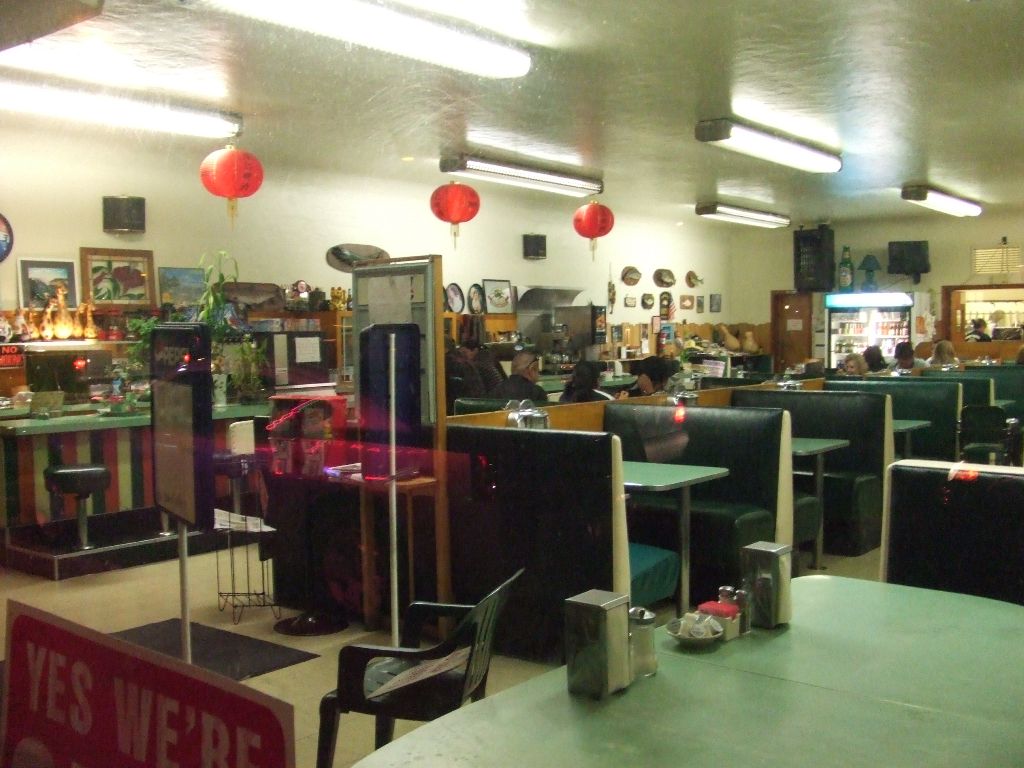
Within a short walk from the hotel there are several good restaurants (I particularly liked Swadee Thai restaurant) but a walk down Route 66 also takes you to the neon splendor of the Grand Canyon Cafe, which opened in 1942. In 1945 three brothers, Alfred, Edward, and Albert Wong bought the restaurant with a partner Bill Yee. Amazingly, it is still owned by the Wong family almost 70 years later. Albert’s son Freddy Wong now runs the restaurant with his wife Tina. The menu is a combination of classic American cafe fare (Freddy’s specialty) and Chinese food (Tina’s expertise). So it’s a great place to come both for breakfast or for some Chinese food for lunch or dinner. The chicken fried steak with green chili sauce comes highly recommended. And you can the see by my photo below that it hasn’t changed much in 70 years. I love the original vinyl booths and the lunch counter with jaunty red, white, and black stripes and a green Formica top to match the tables.


photo by The Jab

photo by The Jab


Of course if you’re going to the Grand Canyon, and can afford it, you should stay in one of the historic lodges for a few nights. But you may also enjoy saving a bit of money by staying a night or two in the charming, historic Monte Vista Hotel in happening downtown Flagstaff. And don’t miss the animated neon signs on Route 66 and around town!


Grand Canyon Cafe
110 E Santa Fe Ave, Flagstaff, AZ 86001
(928) 774-2252
Open Mon-Sat 7:00am-9:00pm


The Van’s, Belmont, California – CLOSED

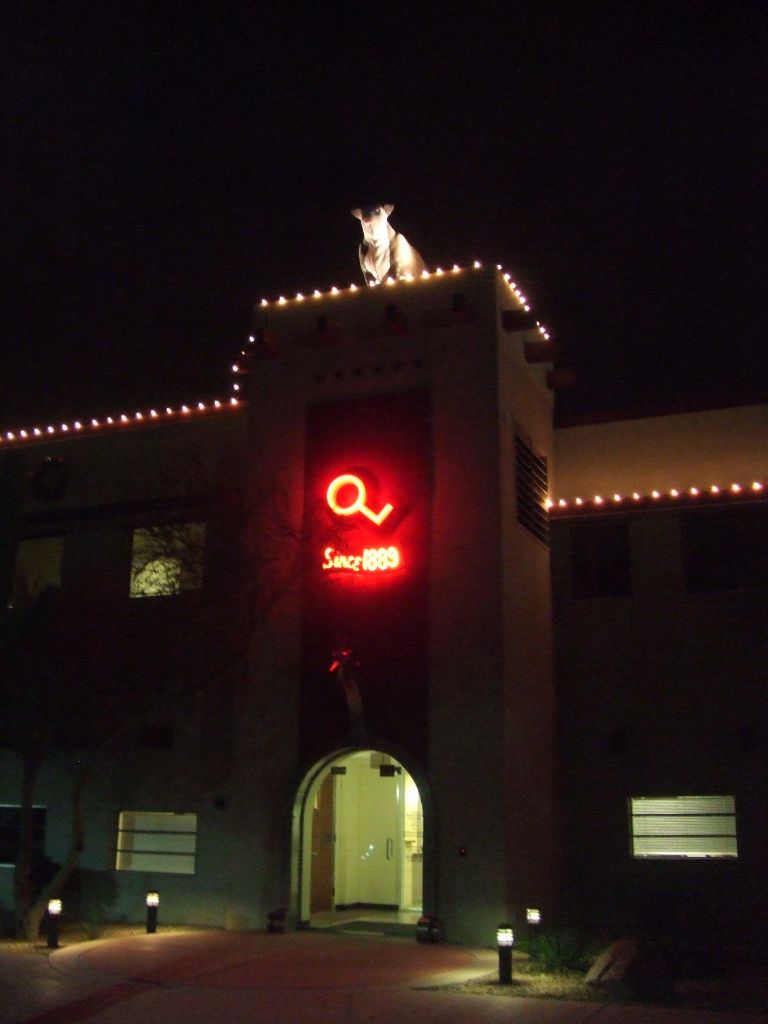
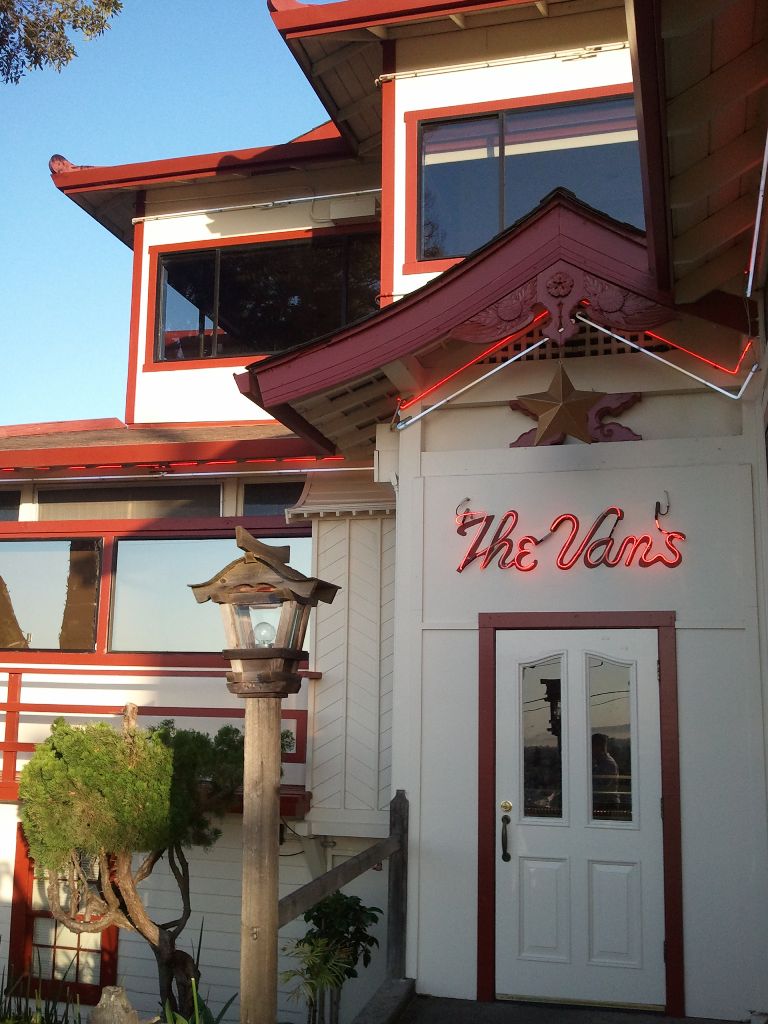
I’m trying to catch up here on some Bay Area restaurants that I’ve dined at in the last two or three years. The Van’s (yes, it’s The Van’s, not Van’s) was a very pleasant surprise on my first visit with friends a couple of years ago.


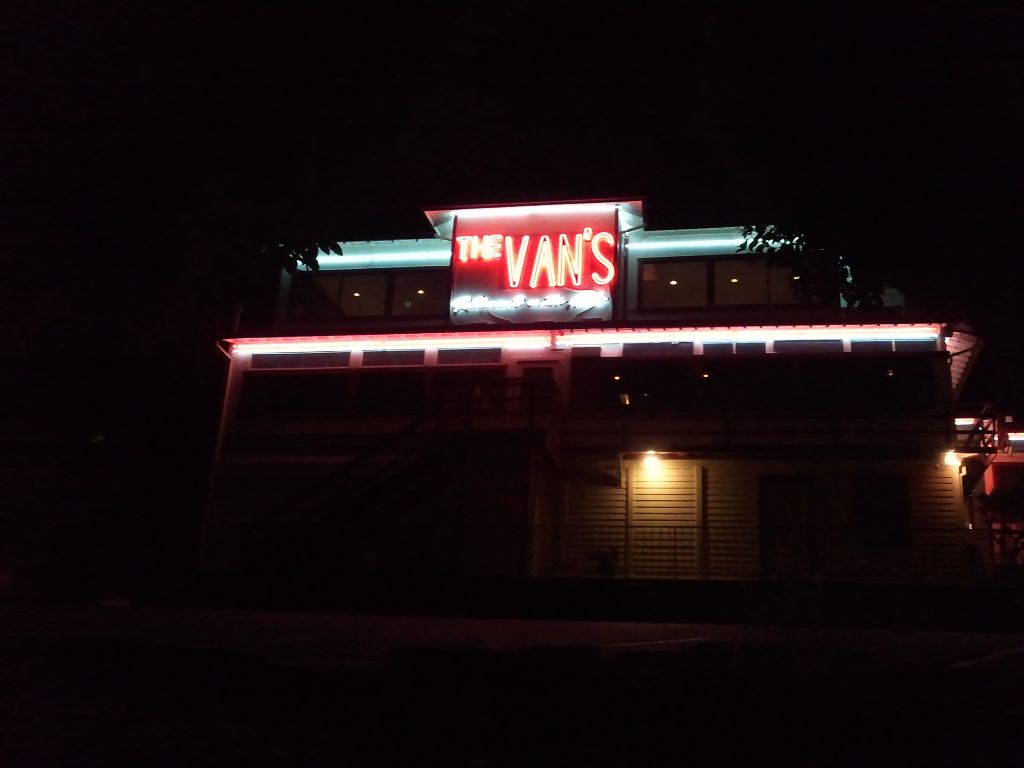
image by The Jab

image by The Jab


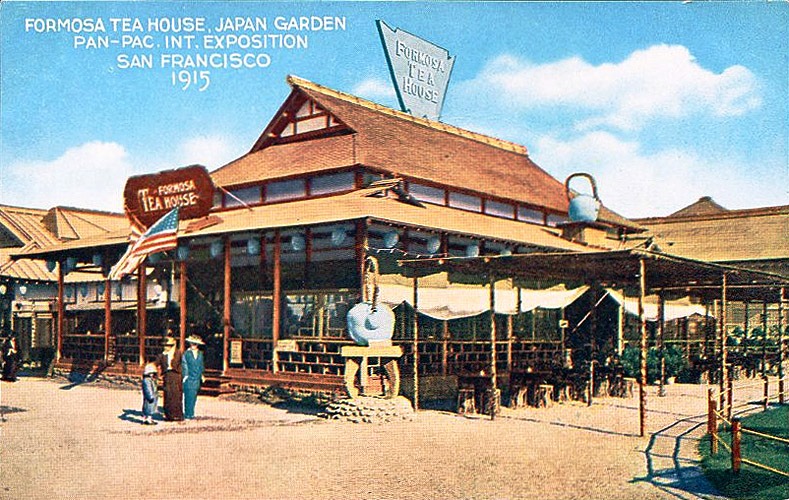
The Van’s is located in an Asian style house, so you would expect it to be a Chinese or Japanese restaurant, but it’s not. The house was originally the Formosa Tea House in the Japan Garden at San Francisco’s Panama Pacific Exposition on 1915. When the expo ended the house was moved to a barge and shipped across the bay to Belmont, California, down the Peninsula south of San Francisco.


Formosa Tea House at Panama Pacific International Exposition, San Francisco, 1915

Formosa Tea House at Panama Pacific International Exposition, San Francisco, 1915


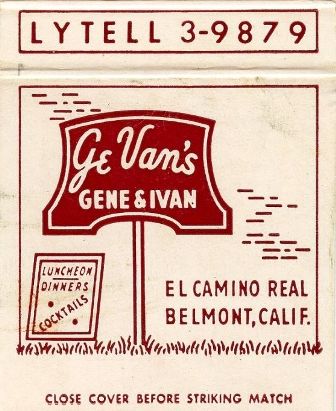
Ge Van's 2


For years it was a private residence, until 1933 when it became Elsie’s saloon. In 1947 Gene Sowle and Ivan Sawyer purchased it, calling it Ge Van’s restaurant from their first names. In 1957 Ivan Sawyer took full ownership, shortening the name to The Van’s. It was sold to the current owner, Loring Di Martini in 1973.


The Van’s is on a hill so offers gorgeous views of the peninsula down the the bay, especially at night. When you enter the front door on your right is the bar and to your left is the main dining room surrounded by windows. There are two smaller dining rooms on the first floor, also with views. Upstairs is a large dining room for private events. There are some historic photos on the walls and some vintage wallpaper in an Asian motif, but otherwise the rooms are fairly simple, with dark wood walls and tables covered with white tablecloths. The view and the food are the stars here.


image by The Jab

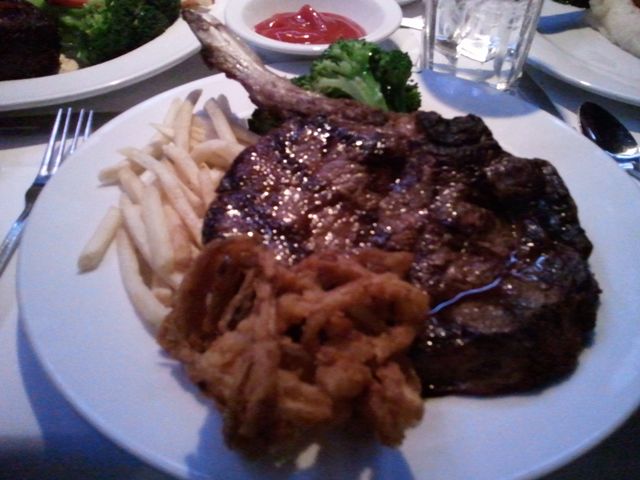
beef rib steak ‘cowboy style’ – image by The Jab


The Van’s specializes in Prime Rib and mesquite broiled meats, including several steak cuts, rack of lamb, pork chops, and local chicken. I went for the signature steak, a USDA prime, aged bone-in rib eye they call ‘cowboy style’ (almost one and half pounds of delicious beef). They take their steaks seriously here, so they even have a detailed guide on the menu on how they cook your steak to your specifications, which I think is great because it takes the worry out of ordering. I prefer my steaks medium rare to rare, depending on the restaurant. Some places cook medium rare a bit too much for me but I don’t like to order rare because sometimes the meat is a little too raw. But at Van’s medium rare is “mostly warm red, surrounded by a little pink to the crust” – just perfect for me. They can even do your steak ‘black and blue’ – charred exterior, cool raw center! You will get a good crust on your steak from the mesquite broiler, as you can see in the picture above. With your meat you get a choice of potato or rice, vegetables, and crunchy onion strings. They also offer many other dishes on the menu, including eight to ten choices each of appetizers, salads, pastas, and main courses. You have plenty to choose from at The Van’s. I found the food excellent on my visit, from the appetizers to the dessert. Dishes range a lot in price so you can spend a little to a lot, with many entrees in the $10-$20 range and steaks in the mid $20s to mid $40s (dinner menu). The also have daily specials posted on their web site that change often.


image by The Jab

image by The Jab


Currently there is a deal on Living Social of $75 towards dinner for two at The Van’s on Sunday through Thursday for $45.


The Van’s
815 Belmont Ave, Belmont, CA
Phone: 650-591-6525
Open for lunch Mon – Fri 11:30am – 3:00pm, dinner Mon – Thu 3:00pm – 11:00pm, Fri 3:00pm – midnight, Sat – Sun 4:00pm – 11:00pm
 

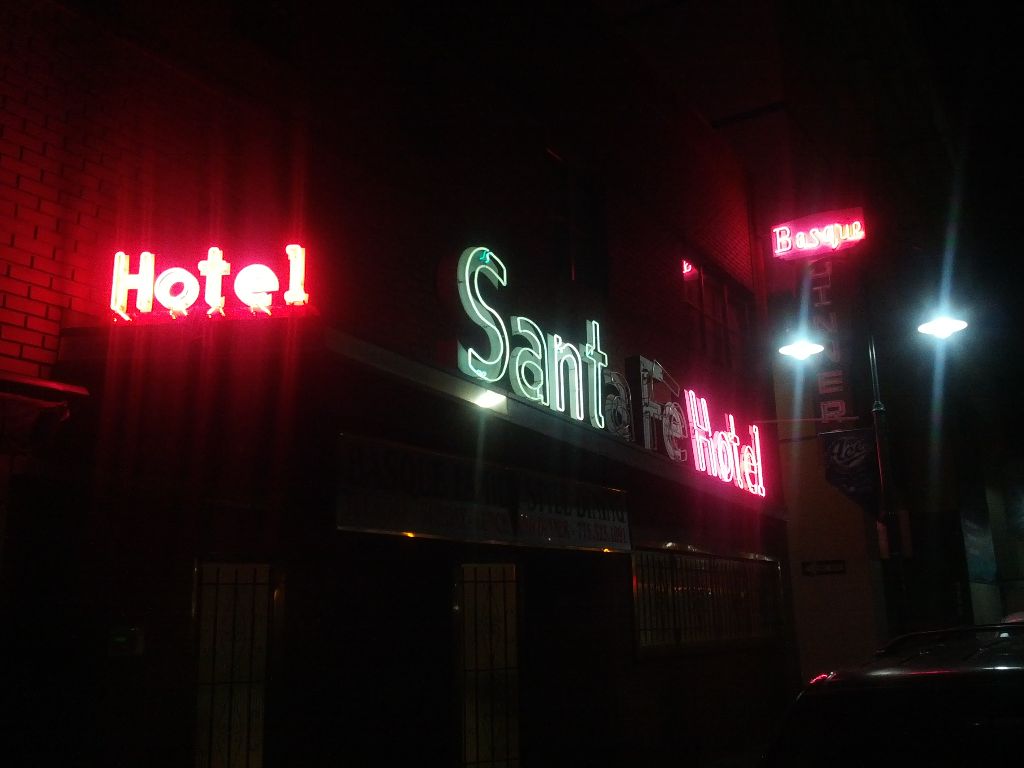
Santa Fe Hotel, Reno, Nevada – CLOSED

SantaFeHotel5

image by The Jab


In the mid-19th century Gold Rush of California many people came from the Basque Country in the Pyrenees Mountains of Spain and France to strike it rich. It wasn’t easy to find gold so many became sheepherders, spreading throughout California and Nevada. Basque-operated boardinghouses were built to provide the hardworking men a hot meal and a room. At one time there were over 300 of these hotels. Quite a few returned home after earning enough money for passage so most of the hotels closed down. But a few survived and remain in operation today, still serving food and drink, but now to the public as well as to Basque families (I don’t think any still operate as hotels). The Basque hotel restaurants still exist in Fresno and Bakersfield in California, as well as in a few towns in Nevada. There are many Basque clubs and organizations that have preserved the cuisine of the Basque people in the western U.S., which is a hearty blend of rural cowboy cooking, traditional Basque foods, and homestyle American fare (lamb, beef, and pork, beans, potatoes, paella, oxtail stew, sweetbreads, Spanish style chorizo, pickled tongue, and other dishes).


image by The Jab

image by The Jab

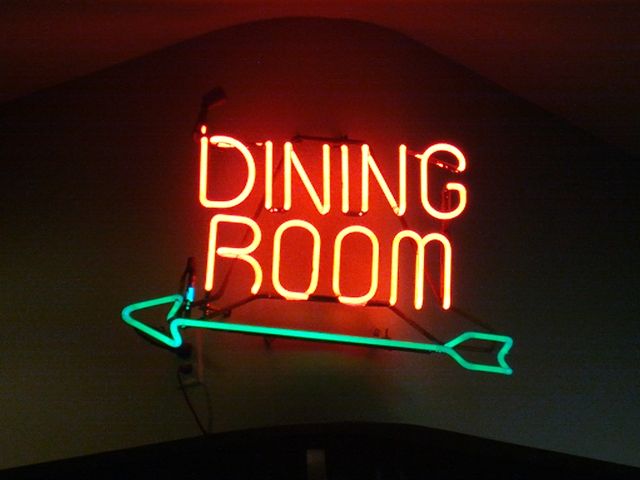
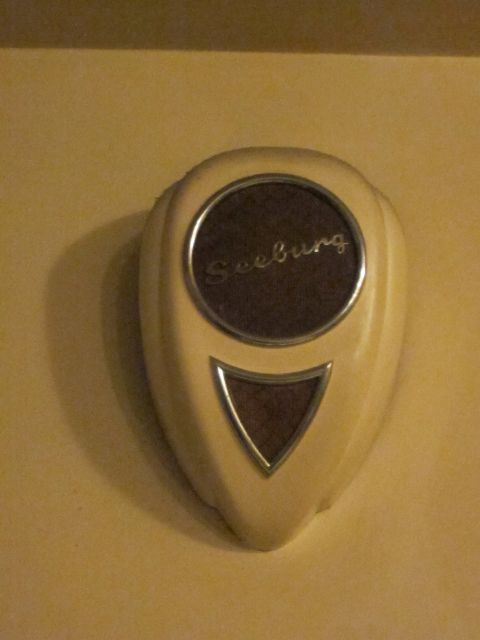
The Santa Fe Hotel (probably named after the Santa Fe Trail or perhaps the Santa Fe Railroad, which did not operate through Reno) reopened in 1948 after a fire and it has not changed much since that time. When you walk in there is a vintage Seeburg jukebox just inside the door on a floor of vintage linoleum that reads “Eskualdun Etchea” (Basque House), leading into a large front room with a long bar with a vintage cash register and a vintage phone behind the bar. Everyone orders the house Picon Punch (locals usually call it a ‘picon’), and you should too. It’s the Basque cocktail in the west, a bittersweet blend of Torani Amer (the western U.S. version of the French Amer Picon, unavailable in the states), grenadine, and soda water, topped with a float of brandy, usually served in a stemmed tulip-shaped glass. It sounds too sweet but actually it’s quite refreshing and appetite inducing. The bar slowly gets crowded with families and friends (it opens at 4pm) until 6:00, when the neon “Dining Room” sign is illuminated, which means that it’s time to sit down for dinner in the dining rooms. There are three of them, each filled with long tables with green checked tablecloths, vintage chairs, and art and bric-à-brac on the walls. It could still be 1948 in this place!
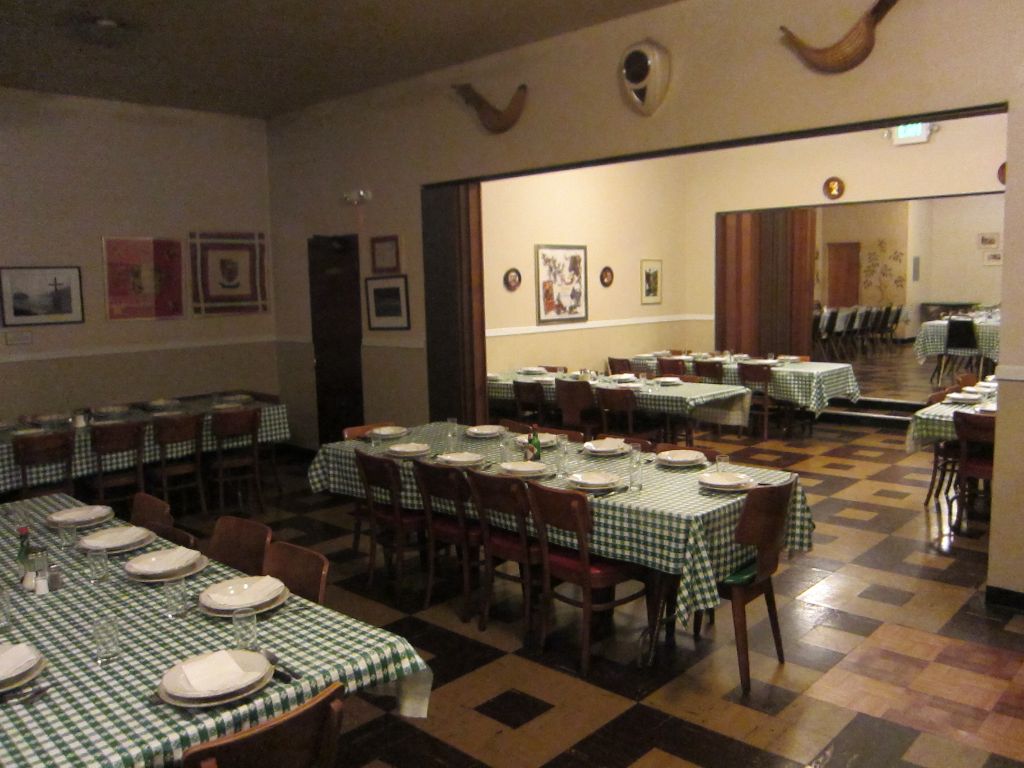
 

Santa Fe Hotel dining room - image by The Jab

Santa Fe Hotel dining room – image by The Jab


vintage Seeburg speaker - image by The Jab

vintage Seeburg speaker – image by The Jab

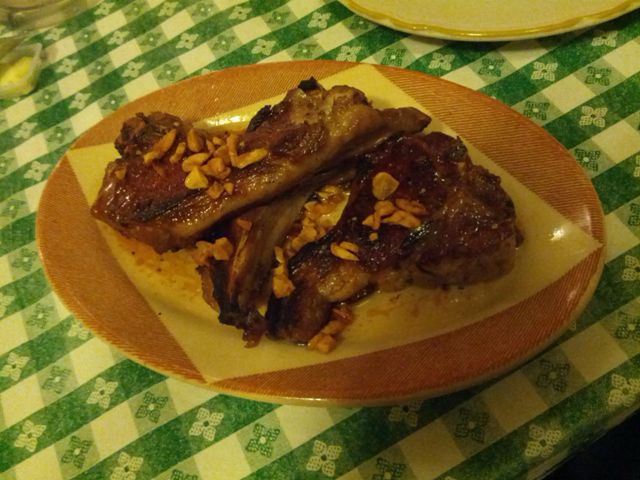
Diners sit at communal tables and the food is served family style (which is common to all classic Basque restaurants in California and Nevada), meaning each dish comes out in large bowls or on large platters except for your main course, which you order from the evening’s menu that varies day to day. I ordered the lamb chops, which were juicy and delectable. Other popular dishes at the Santa Fe are the ribeye steak, pork chops, oxtail stew, and lomo, breaded pork cutlets with mild peppers. Main dishes come with several sides, which on my visit included a delicious homemade soup, a salad with tangy Italian dressing, red Basque beans, terrific chorizo, french fries, and a large carafe of red wine. Dinner also includes coffee and ice cream or a good ‘hard’ cheese, with other desserts available.


Oh yeah, everything is served on vintage dinnerware!


SantaFeHotel4

lamb chops with roasted garlic served on vintage China – image by The Jab


There is another Basque restaurant in Reno that is also popular – Louie’s Basque Corner, which opened in 1967. But the place has been totally remodeled into an industrial space with exposed brick and pipes in the bar, and not much better in the dining room. Furthermore, super annoying Food Network host Guy Fieri* has been there, so I’ll pass it by and head right for Santa Fe Basque, the only time travel Basque restaurant in Reno, with the best Basque food in town and friendly service too.

*


Santa Fe Hotel
235 Lake St, Reno, NV 89501
(775) 323-1891
Open for lunch Wed-Fri 11:00am-2:00pm, dinner Tue-Sun 6:00pm-10:00pm, bar opens at 4:00pm, closed on Monday