Casa Ciriaco, Madrid, Spain

It’s been a while since I posted because I was in Spain for a vacation, but I’m back! While I was gone Le Continental turned four!

When I was in Madrid last year I visited three historic restaurants (and posted about them here, here, and here) but I didn’t have time for one of the oldest ones on my list: Casa Ciriaco. So on my recent trip I had a one day layover in Madrid and I made time to have lunch at Casa Ciriaco.
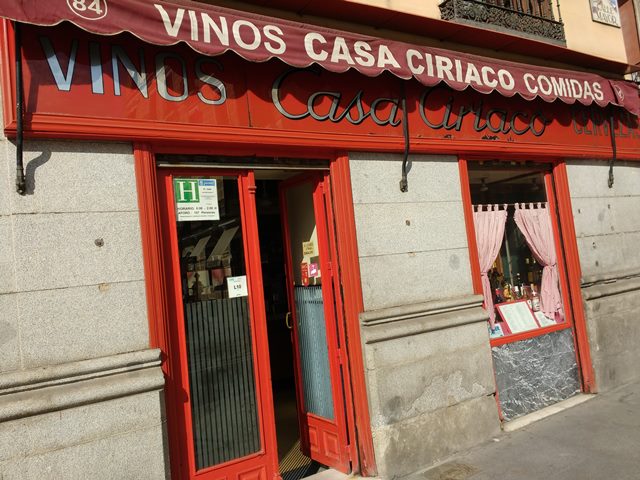
 

photo by Dean Curtis, 2015

photo by Dean Curtis, 2015


Casa Ciriaco opened as a tavern in 1897 (under a different name). In 1923 it was purchased by Pablo Muñoz Sanz and his brother Ciriaco Muñoz, who started the restaurant named Casa Ciriaco in 1929. The building was infamous for being the site of an anarchist bombing against King Alfonso XIII and his bride on their wedding day. The royal bridal carriage escaped harm but 15 innocent bystanders were killed and many injured.
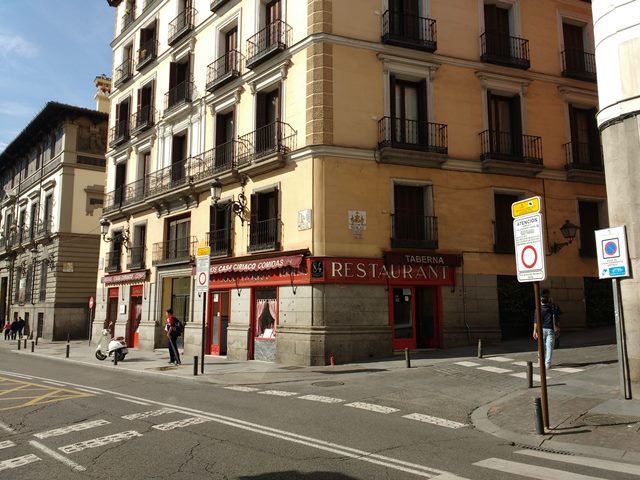
 

photo by Dean Curtis, 2015

photo by Dean Curtis, 2015


The restaurant also became famous for its clientele in the 1930s preceding the Civil War, including journalist Julio Camba, artist Ignacio Zuloaga, matadors Domingo Ortega and Juan Belmonte, writer José Ortega y Gasset, and scholar of Basque culture, Julio Caro Baroja. Portraits of some of the famous people who have dined at Casa Ciriaco can be found on the walls of the homey comedor (dining room), which you enter through the swinging doors from the front bar.
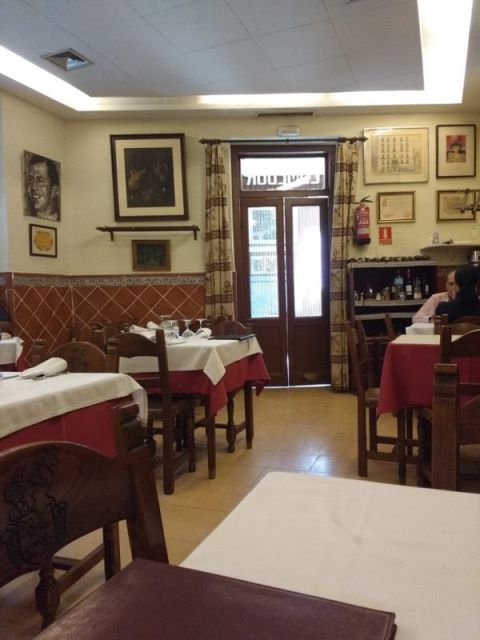
 

photo by Dean Curtis, 2015

photo by Dean Curtis, 2015


The waiters are all veterans; fast and efficient but friendly. They reminded me of the waiters at Tadich Grill or Sam’s Grill in San Francisco.
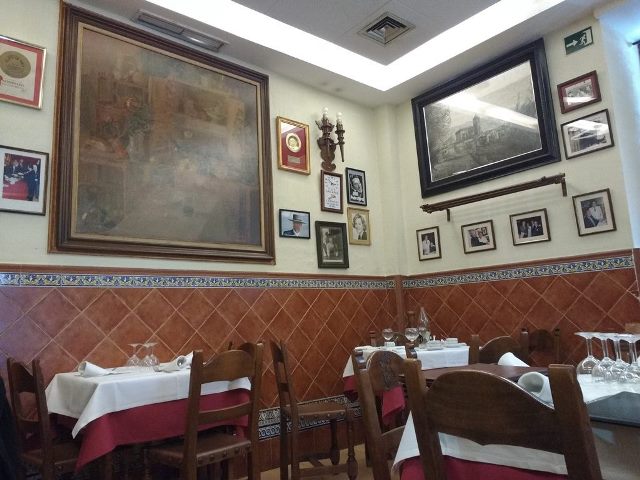
 

photo by Dean Curtis, 2015

photo by Dean Curtis, 2015


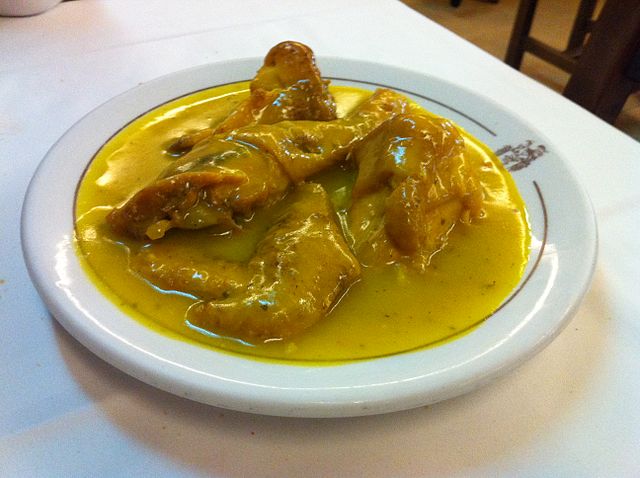
The menu is classic Madrid cuisine. Specialties include perdiz con judiones (partridge with broad beans, seasonal), cocido (Madrid-style meat and chickpea stew) served on Tuesdays, cochinillo (suckling pig), and pepitoria de gallina (chicken fricassee in a sauce made with almonds and eggs), which dates back over 100-years and is the main dish that I chose for my menu del dia prix fixe lunch (always a good deal in Spain so I try to make it my main meal of the day). For a starter I had pisto manchego, a delicious vegetable stew similar to ratatouille.
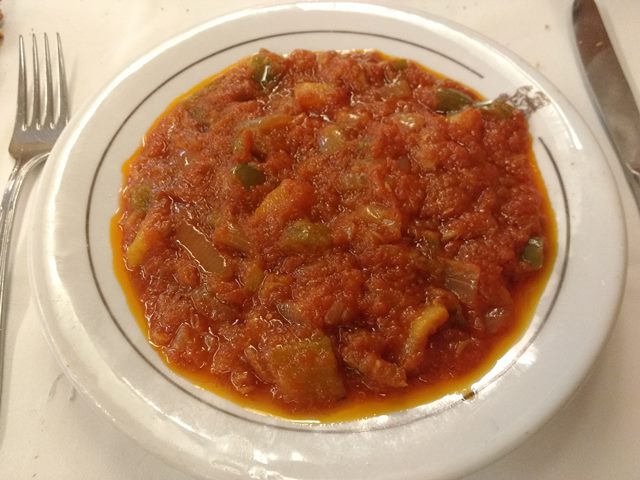
 

pisto - photo by Dean Curtis, 2015

pisto – photo by Dean Curtis, 2015


pepitoria de gallina - from Wikimedia Commons

pepitoria de gallina – from Wikimedia Commons


For dessert I had arroz con leche (rice pudding).
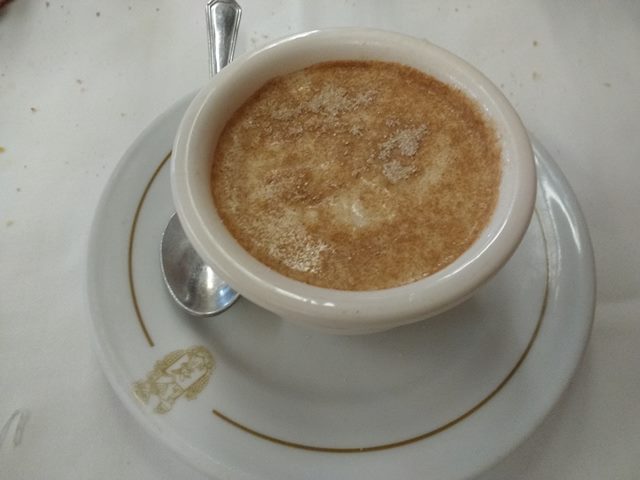
 

arroz con leche - photo by Dean Curtis, 2015

arroz con leche – photo by Dean Curtis, 2015


Reportedly Casa Ciriaco has an outstanding wine cellar with wines dating back to 1917 and cognacs as old as 1892!


Casa Ciriaco
Calle Mayor, 84, 28013 Madrid, Spain
Phone +34 915 48 06 20
Open daily 1:00pm-4:00pm, 8:00pm-11:30pm


Boadas Cocktail Bar, Barcelona, Spain

Back in 2004 I was planning a trip to Spain to attend the incredible music festival called Wild Weekend, held in Benidorm every year until 2004, when I found a great online source of information about Barcelona called City in Space. The web site and companion book highlighted the best remnants of mid-20th century Barcelona, from art deco to tiki, and included restaurants, bars, hotels, theaters, and shops. Unfortunately, many of the places mentioned are now gone or remodeled, however some of the best happily remain, including all three tiki bars, the wonderfully Mod Tortilleria Flash Flash, and the oldest bar in Barcelona, Boadas.


photo by Dean Curtis, 2004

photo by Dean Curtis, 2004


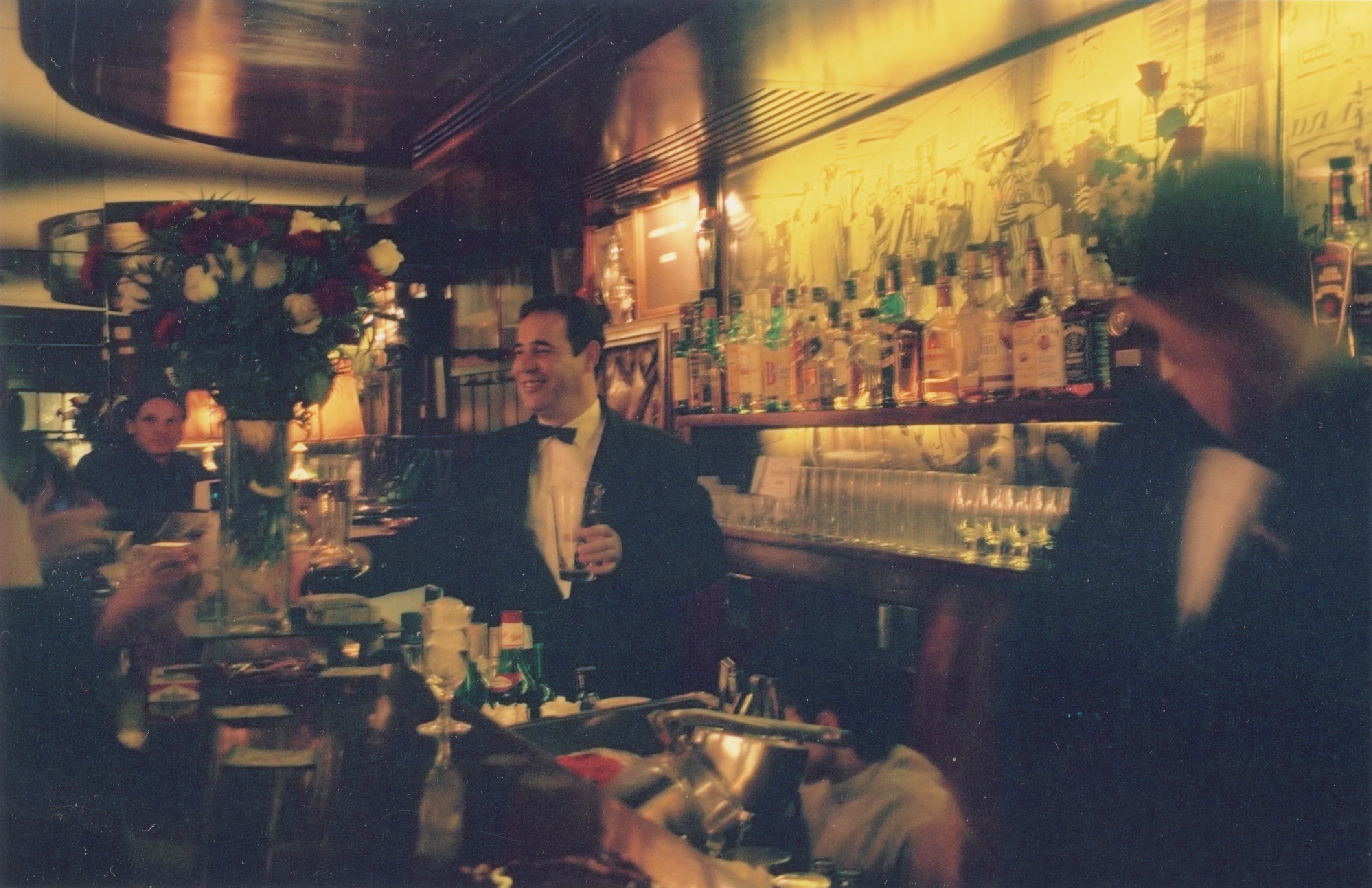
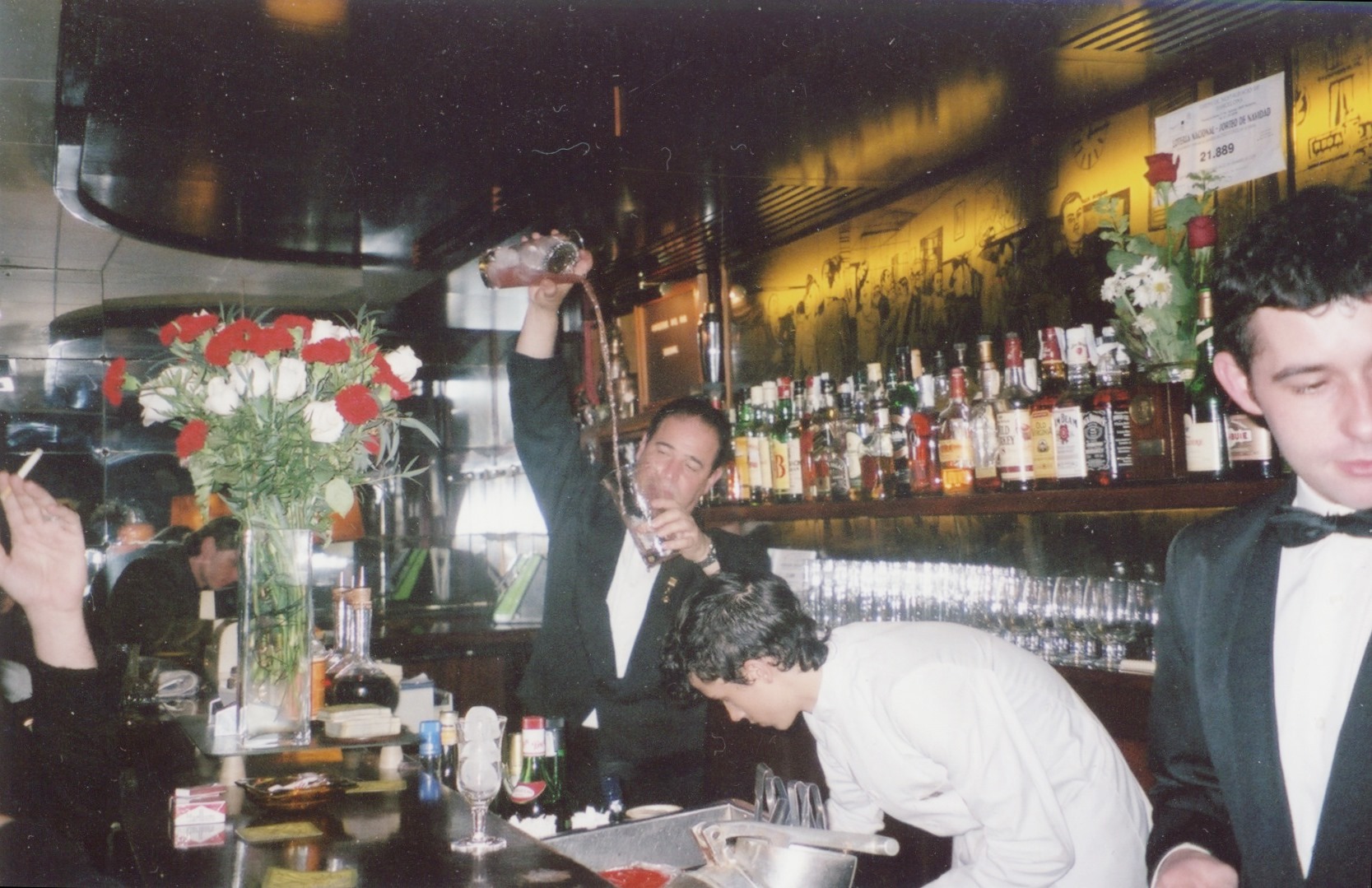
I immediately fell in love with Boadas and it remains one of my favorite classic bars in the world. The history; the classy atmosphere; the well-dressed bartenders who can make any classic cocktail and probably every historic Cuban cocktail with just the right amount of flair. It was like no other bar in the world in 2004. Now there are many newer ones like it but without the history, the patina, and the neighborhood feel.


Boadas' flair - photo by Dean Curtis, 2004

Boadas’ flair – photo by Dean Curtis, 2004


A brief history: in 1933 Cuban-born Miguel Boadas opened his bar simply called Boadas in El Raval just off La Rambla in Barcelona, where it still stands. Although he was born in Cuba, his parents were from Catalonia. Miguel learned to tend bar at the famous El Floridita in Havana, owned by his cousin Narcís Sala Parera. The bar was frequented by many American celebrities escaping Prohibition, most notably Hemingway, and there Miguel learned the Cuban cocktail traditions and recipes, which he brought back to Spain in 1922, taking on bartending jobs in Barcelona until opening Boadas. The bar survived the Spanish Civil War, was enlarged and developed a clientele of famous Catalan writers artists, and celebrities. Today Miguel’s daughter Maria Dolores runs Boadas.


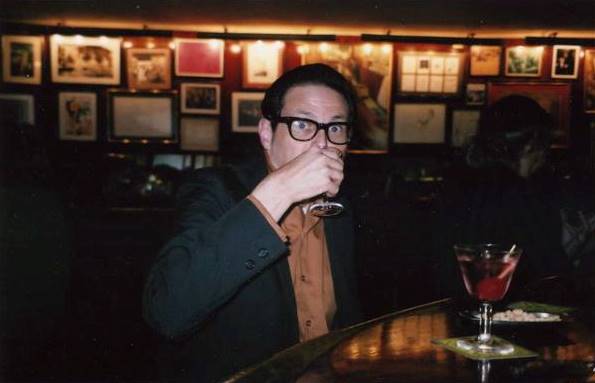
yours truly at Boadas - photo by Jeffrey Gouin, 2004

yours truly at Boadas – photo by Jeffrey Gouin, 2004


Cuba had a rich cocktail history in the first half of the 20th Century. There are dozens of cocktails that were invented at the bars El Floridita and La Bodeguita. The daiquiri and mojito are well-known, but there are many more that are less common. Boadas can make all of them. It is the only surviving bar with connections to the glory days of Cuban mixology. El Floridita bar still exists in Havana, and is definitely worth visiting, but it is a tourist attraction that can only serve you a popular cocktail like a mojito. Cubans don’t drink there anymore. All the original bartenders and the vast number of recipes they had knowledge of are lost to time, except at Boadas. They don’t have menus at Boadas, but on the chalkboard is a different ‘cóctel del dia’ every day, which are always good.

I’m excited to be going back to Barcelona very soon, and to be visiting Boadas for a cóctel del dia! Salut! (the Catalan toast)


Boadas
Carrer dels Tallers, 1, 08001 Barcelona, Spain
+34 933 18 95 92
Open Mon-Thu 12:00pm-2:00am, Fri-Sat 12:00pm-3:00am, closed Sunday